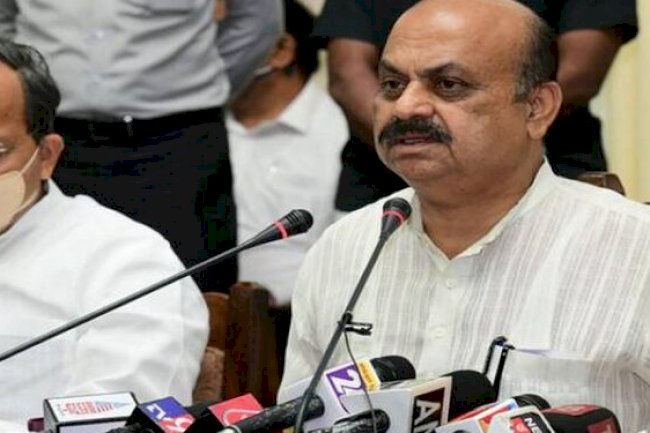
Did you know that Kashmir is known as the Centre of Knowledge?
“The foundation of every state is the education of its youth”. - Diogenes Laertius
In old times, Bharat was a focal point of higher advancement as it is quite possibly the oldest civilization on the planet. From the time of Rigveda onwards, our old school system advanced over the period and zeroed in on the all-encompassing improvement of a person. The ancient arrangement of education was the instruction of Vedas, Upnishads, Brahmanas, and Dharmasutras. Bharat introduced creative virtuosos in different fields. There are more than 80,000 works accessible in the total or deficient structure today. These works manage fields as changed from medical services to culinary and space science to cultivation.
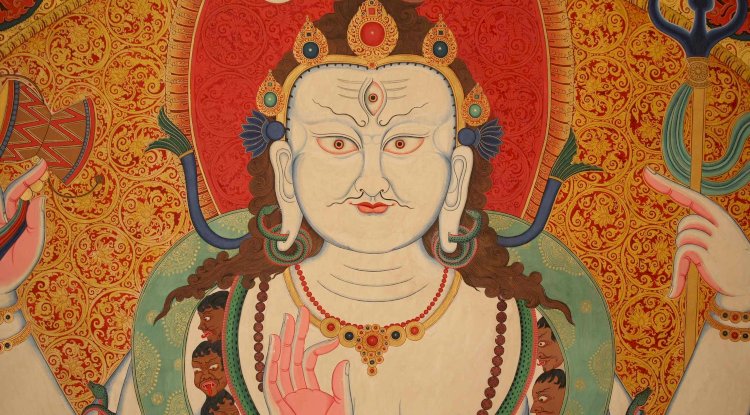
The place that is known for Kashmir has been a superb supporter of widely heightening Bharatiya culture across the globe. As Scottish antiquarian, John Mackenzie brought up in his creation Hindu Ethics', "Kashmir (Bharat) has improved the worldwide set of principles with its conviction of Dharma, the virtue of peace concurrence, and confidence in the hypothesis of Karma." In current conditions, the overall aggravations in Kashmir propose in any case…
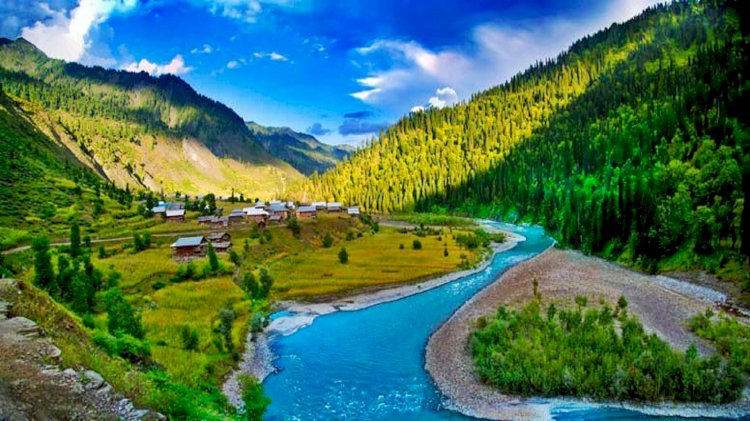
Kashmir considered the loveliest place on the planet (and which is all well and good, is paradise on the planet), tracks down referenced in a few Puranas. As indicated by Nilamata Purana, the place that is known for Kashmir was involved by a huge lake called Satisara. Because of this reality, the word Kashmir is gotten from the Sanskrit "Kashyapa + Mira", and that implies a sea lake or the pile of sage Kashyapa. Kashyapa is supposed to be the originator of Kashmir. Ancient Kashmir was wealthy in blessed places, and the objects of journeys were established all through the Valley. Kashyap, yet other extraordinary personalities like Utpaladeva, the creator of Shiva-Stotravali, Bharat Muni, the creator of Natya Shastra, Patanjali, Panini, and others were related to ancient Kashmir and added to make it a living paradise by sharing their knowledge.
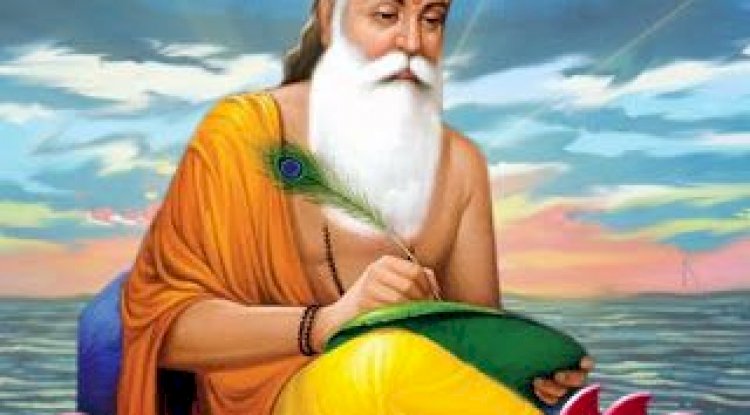
However, it was the truth of old Kashmir where individuals having a place with various strict orders resided calmly and in conjunction. Kashmir has been an enabling objective of Sanskrit. Numerous historians and researchers, from across the globe, thought of it as fundamental for taking schooling in Kashmir. Chinese voyagers Xuanzang and Aukang, who visited Bharat, between 631 CE and 751 CE, have referenced in their diaries, that no educated individual was viewed as scholastically mature till he had partaken in discussions and talk with researchers of Kashmir. Xuansang further notices, "Individuals of Kashmir are socially acclaimed as well as admirers of Education. For quite a long time, Education and Knowledge have involved veneration and honour."
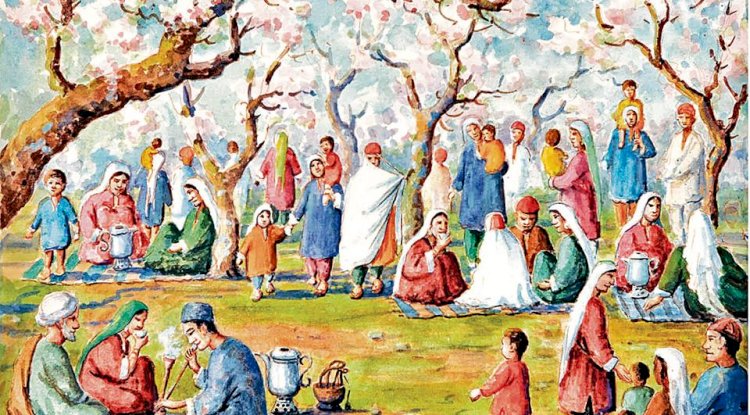
Iranian researcher Alberuni, who came to Bharat alongside Mahmud of Gazani in 1102, and visited the Punjab district, refers to that "Kashmir has been the main Education focal point of Hindu researchers. Information searchers from all over, visit Kashmir to learn Sanskrit and large numbers of them get drawn to the all-encompassing excellence and grand scene encompassing and settle here."
"The Kashmiri Pundit", written by a Kashmiri Pandit himself, Kashi and Kashmir were the premier places for learning in old India. Kashmir had even outperformed Kashi. It was apparent that Scholars of Kashi needed to come to Kashmir to finish their schooling. In present times, during the Thread service of offspring of Kashi, they are made to walk Seven steps toward Kashmir.
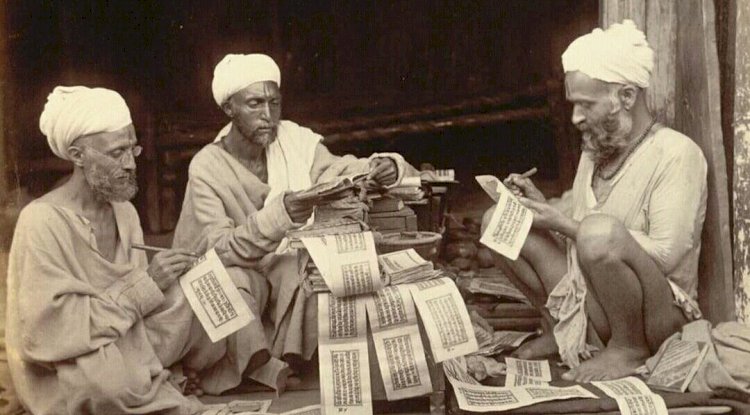
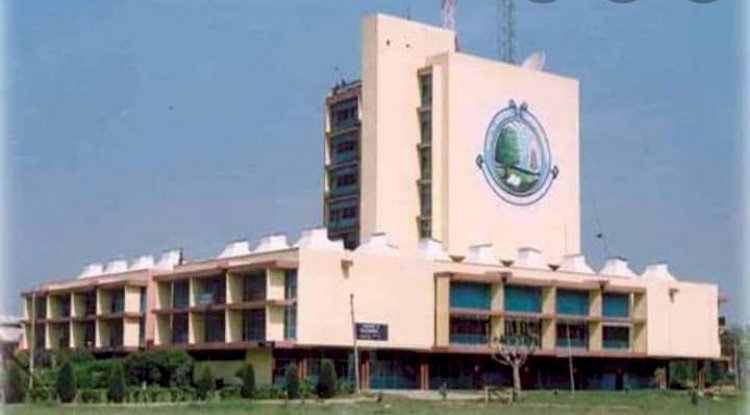
There was a monstrous Sanskrit University situated in Kashmir Valley, somewhat away from Srinagar, which was running under the direction and oversight of Pandit Purshottamji Koul during the Fourteenth Century. Students from across the world would arrive at this Sanskrit Mahavidyalaya for learning Sanskrit. This middle bestowed Free Education of Sanskrit to everyone and had been the image of Bharatiya culture's commitment to looking for Knowledge and Education. Shrichand, child of Guru Nanak Dev Ji and pioneer behind the Udasin order, had gained instruction from this University. Mughal Prince Muhammed Dara Shikoh likewise gained Sanskrit from this college.
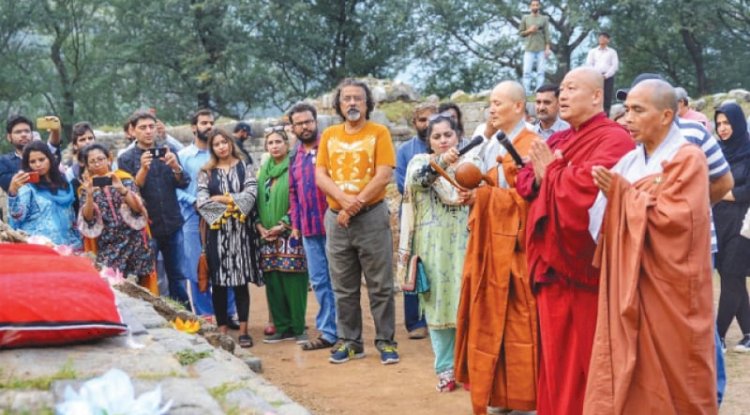
It is deep-rooted that Emperor Ashoka engendered Buddhism in Kashmir in the third century BCE. What is to be emphasised here is that Buddhism was broadly spread in Kashmir even before Emperor Ashoka, having the support of both Buddhist and Hindu rulers. It spread from Kashmir to Ladakh, Tibet, and China. The Rajatarangini and three Chinese voyagers to Kashmir somewhere in the range between 630 and 760 AD both notice the spread of Buddhism by the rulers of Kashmir.
There is likewise a long custom of litterateurs and Sanskrit masters from Kashmir. The renowned grammarian Rammat, Muktakan, Sivasvamin, and artists Anandavardhana and Ratnakar were individuals from the Rajya Sabha of Avantivarman. Sanskrit researcher artists observers like Bhima Bhatt, Damodar Gupta in the seventh 100 years, Ksheer Swami, Ratnakar, and Vallabh Dev in the eighth 100 years, Mammatt, Kshemendra, and Somdev in the ninth hundred years, Jayadratha, and eleventh-century Kalhan.
Today, Kashmir and 'Kashmiriyat' have been shaded with impressions of unfamiliar guidelines and affected by other strict convictions. It has worn out its superb old past into bits and pieces however it is an evident truth, as obvious as Sunshine that some time ago, Kashmir was a Hindu state and Kashmiriyat was an impression of Hindu culture and its belief system. From that point onward, we as a whole realize what occurred. It's extremely upsetting to perceive how a spot that was once an image of love, harmony, and spirituality has changed into one of dread, pain, and bloodshed. Our precursors, who made Kashmir their fantasy land, should be in profound pain and regret at whatever point they hear the slogan "free Kashmir from Kafirs."
What's Your Reaction?