What is the story behind rivers?

Every country has rivers and many big cities are located on the banks of a big river. Where does the water in a river come from? Where does it go? Let’s trace the journey of a river from start to finish! Did you know that rivers make a long journey to the sea? How come they don’t run out of water before they reach? Where does the river start flowing? Does it flow out of a huge lake or something?
A river is born when drops of rainwater collection to form a stream. When rain falls on a mountain the water droplets join together to form a rivulet or a small stream. These rivulets flow down the sides of the mountain and then merge at one place to become a big river! Will the river run dry when there is no rain? No, since there is water underground, rivers don’t dry up so quickly. Not all the rainwater flows down the mountain. Some of it soaks into the ground. The water under the ground bubbles up as springs which flow into, the river.
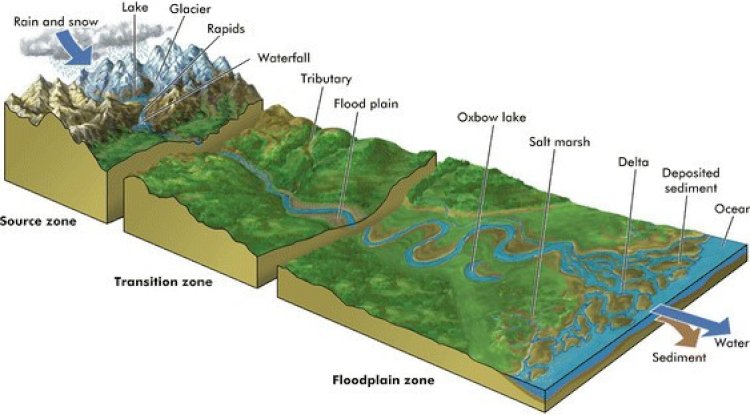
A river has three parts, these are upstream, midstream and downstream. Each part is different. The river is narrowest when it is upstream. It also rushes very fast, carrying rocks and boulders along. Midstream, the river slows down and its banks widen. the rocks are smooth round pebbles now because of the constant movement of the water and friction. Let’s go upstream, to the point where the river originates!
The origin of a river is called the source. Rocks from the cliffs surrounding the sources fall into the river here. Upstream the river flows very fast, carrying large rocks with it. The rocks scrape the sides of the cliff carving out V-shaped gorges. It also forms rapids and waterfalls. A whole world ecosystem exists around a river, including trees, plants and moss which provide a good habitat for animals of all kinds. Plants can flourish because they get lots of water! So a river supports an intricate web of line, ranging from microscope creatures to fish, reptiles, amphibians and large mammals, including man. If the river is polluted, then its waters cannot support life. The fish will disappear and so will the plant life. Trees act as a natural dam, preventing floods.
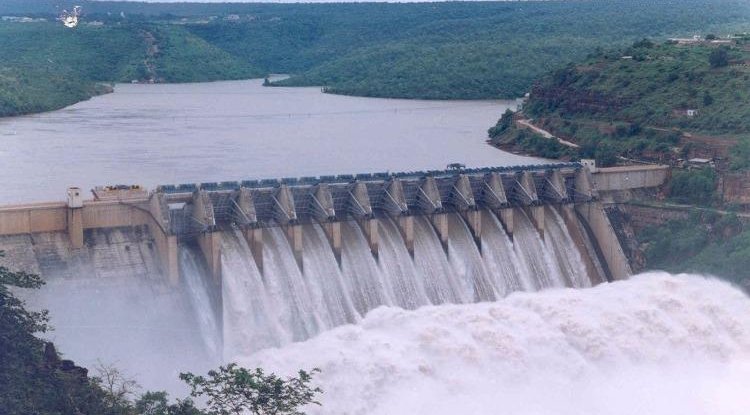
Dams hold back the water of a river and prevent flooding. A dam such as this adjusts the flow of water from the river. It not only prevents flooding but also creates a reservoir for water supply, power and irrigation. Dams are used to generate hydroelectricity. The force of the river flowing down turns huge turbines. Some dams also control the build-up of sediment due to erosion, which may block the flow of water. But don’t dams stop a river from flowing in its natural course? No, the excess water collected in a dam is allowed to flow through another outlet.
Now we come to the midstream! The river becomes wider here and opens out forming flat plains and shallow basins. It slows but still flows rapidly and there is lots more water. This is a different phase of the river. It twists and turns to form a horseshoe shape. These bends are called meanders. The river channel deepens and widens and big fish live in the depths. The surface may sometimes seem calm but underneath flow swift currents. The water may foam at the surface. The river flows faster on the outer part of the bend where there is less friction. It scrapes off material from that bank. This is called ‘erosion’. On the inner side of the bend, the river flows slower as there is more friction, piling up sediment and rocks on that bank. This is called ‘deposition’. Parts of a river’s course may be shallow (called riffles), providing living space for small fish and crustaceans which are themselves food for water birds. The surface of the water forms small eddies or ripples. The midstream is a favourite place for small animals and birds which use it as a hideout or to build their nests.
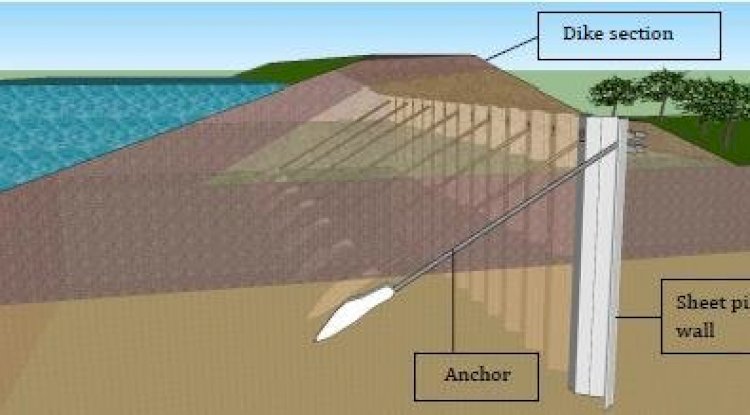
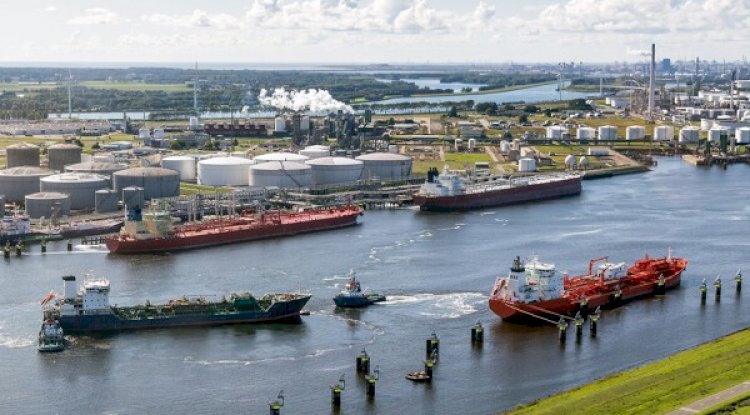
This is a concrete dyke or levee (also called an embankment). A wall is built parallel to a river as it nears the plains or the mouth. It controls flooding. Flooding can be beneficial as the river deposits fertile silt on the floodplains. People living near floodplains depend on the annual flooding to raise crops. But floods also destroy property and take lives. Planting more trees (afforestation) prevents flooding. Trees anchor the soil and absorb more rainwater. Most large rivers have dams. However, the construction of big dams is expensive. Dam reservoirs also displace farmlands, forest land and people. As the river travels towards the cities, its water is used by people for drinking and other purposes. The water has to be cleaned in a water purification plant. The river water is chlorinated and filtered here to make it fit for drinking. The wastewater from houses and factories (called effluent) is also treated and then pumped back into the river. The water is cleaned up in an effluent treatment plant. In this way, the water is recycled and there is less pollution of the river. Factories produce a lot of wastewaters
Remember, the entire water supply of a city sometimes comes from a river! So, it is very important to keep rivers clean. when it reaches downstream, the river becomes very wide and flows slowly. It has gradually carved out a wide channel and the area around it is a flat plain. The mouth of a river is called a delta because it resembles the Greek letter “D” which is triangular. The river has branched out into tin streams! This is the mouth of the river where it meets the sea. Dykes are seen at the mouth of a river, to prevent water from the sea from entering the paddy fields on the delta. River deltas are usually very fertile because tons of sediment are deposited in and around them. People grow crops here and fish are found in abundance. Seawater entering the fields can ruin the crops because of excess salt. This is called ‘salt air damage’.
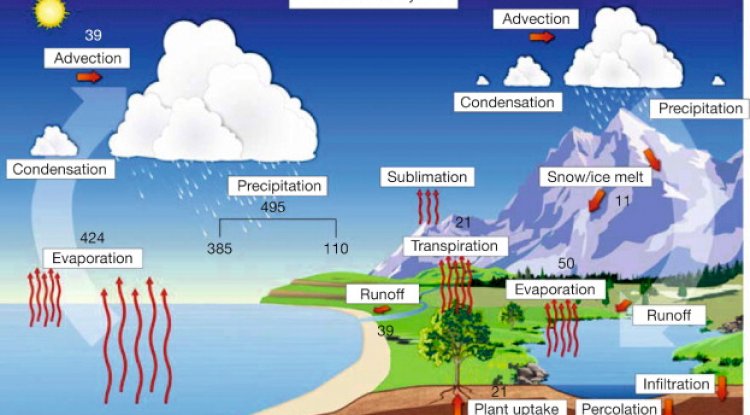
Sea water evaporates and comes down as rain, once again forming and replenishing the rivers! This is called the water cycle or the hydrological cycle. Did you know that some rivers flow not into the sea but inland lakes? And others flow underground! Yes! And a river that is formed from the main river is called its tributaries! The Yamuna is a tributary of the Ganges. That’s right! Russia’s Volga and Ural rivers flow into the land-locked Caspian Sea. Rivers are formed when it rains in the mountains or from melting glaciers. There are lifelines for the people living along their banks.
What's Your Reaction?