Why West Bengal Is Known as The City of Surprises?
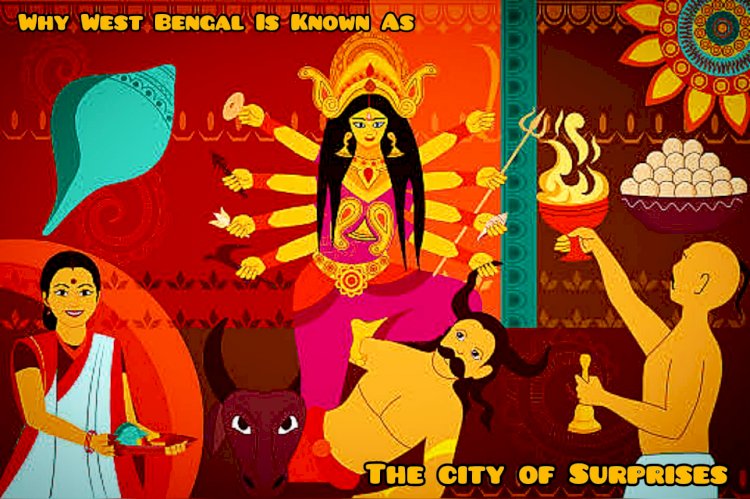
Bengal has long been a leader in development, heritage, and culture, and Kolkata, the capital, has been a key component of it. Its reputation as a city of firsts 1) First Metro in Southeast Asia, 2) India's first WiFi city 3) Some of the oldest and most prestigious universities, including Presidency University and Calcutta University, which boasts notable personalities among its graduates, are also located here. 4) Rabindranath Tagore is the first Indian to receive the Nobel Prize. 5) The first Oscar for Satyajit Ray (India) 6) Amartya Sen 7) Eden Gardens, the centre of Indian cricket. 8) Kolkata, the home of Mohun Bagan and East Bengal in Indian football 9) In terms of transportation infrastructure, Kolkata is the finest among major cities. Bengal boasts a diverse array of life forms, including Snow clad mountains. 10) One can buy a FLAT at a low price. Bengal and Kolkata are truly important parts of India.
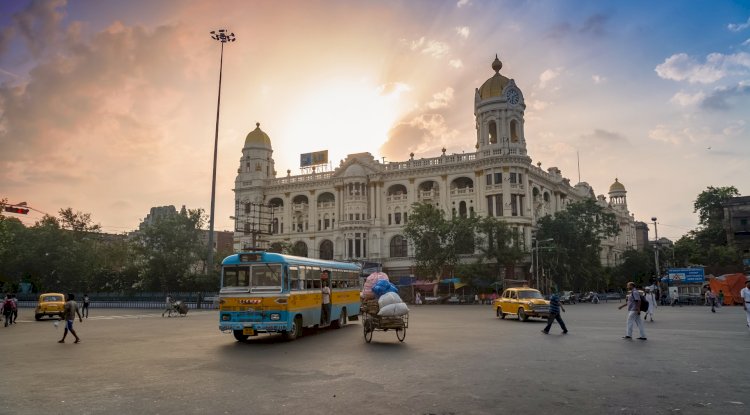
West Bengal, sometimes known as Poshchim Bongo, is a state in eastern India that borders the Bay of Bengal. It is India's fourth-most populous and thirteenth-largest state in terms of area, with about 91 million residents. It is also the eighth-most populous country subdivision in the world, with a size of 88,752 km2 (34,267 sq mi). It borders Bangladesh in the east, Nepal, and Bhutan in the north, and it is a part of the Bengal area of the Indian subcontinent. It also has boundaries with the states of Assam, Jharkhand, Bihar, Sikkim, and Odisha in India. This area, which includes modern-day Bangladesh and West Bengal, was known as Gangaridai in antiquity. Gangaridai translates to the Ganges' wealth. The Greek traveller Megatheres wrote about Gangaridai in his work INDICA.
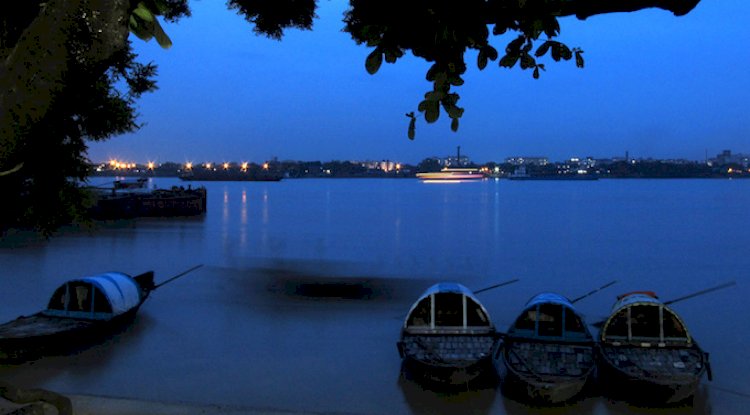
The Gangetic Plain in the south and the sub-Himalayan and Himalayan region in the north are West Bengal's two main natural geographic divisions. The Ganges (Ganga) River and its tributaries and distributaries have left fertile alluvial land in the Gangetic Plain. It also has a lot of marshes and small lakes that were created from dried-up riverbeds. The Ganges has been continuously migrating eastward for millennia; only a little quantity of its water currently travels to the sea via the western distributaries, of which the largest one is the Hugli. The Ganges presently passes through the narrow centre section of the state before entering Bangladesh (Hooghly). In the southern part of West Bengal, on the Hugli, stands Kolkata, the state capital. a significant river, the Damodar, joins the Hugli southwest of Kolkata. The elevation of the plain increases slowly toward the west; the rise is most marked near the Chota Nagpur plateau of neighbouring Jharkhand.
The climate of West Bengal alternates between humid subtropical in the north and tropical wet-dry in the southern regions. There is a clear seasonal variation in rainfall over West Bengal. In Kolkata, for instance, the average annual rainfall is 64 inches (1,625 mm), of which 13 inches (330 mm) on average fall in August and less than an inch (25 mm) in December. Additionally, the state is subject to significant year-to-year variation. Rainfall is significantly more abundant in the sub-Himalayan region.
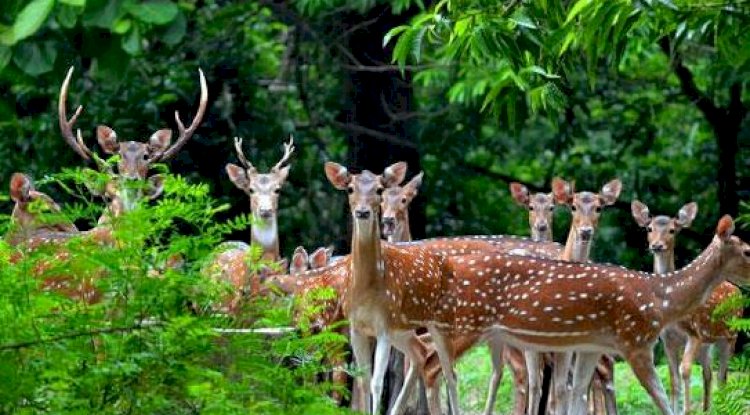
More than 10% of the state's total land area is covered by forests, and the area as a whole contains a diverse and abundant plant population. The main forest trees in the sub-Himalayan plains are sal (Shorea robusta) and shishamo, or Indian rosewood (Dalbergia sissoo); reeds and tall grasses are scattered throughout the woodlands. Coniferous belts appear at higher elevations in the Himalayan heights, where vegetation changes with elevation. The dense coastal mangrove forest known as the Sundarbans has its westernmost point in the Hugli Delta. That sparsely populated, undeveloped territory bordering Bangladesh and the Bay of Bengal has been designated as a UNESCO World Heritage Site and as a national park in major portions.
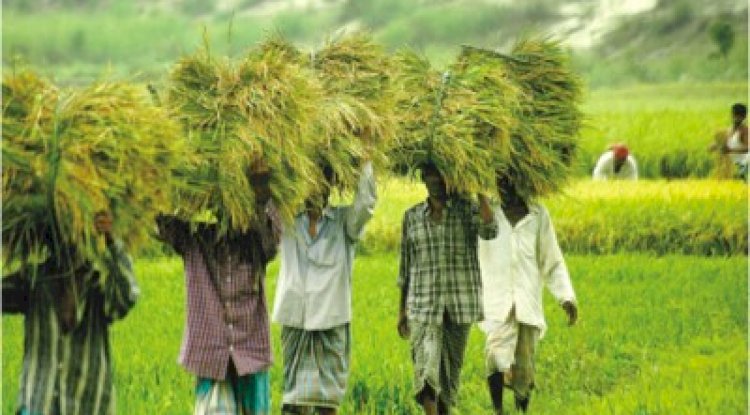
West Bengal's economy and terrain are dominated by agriculture. It has one of the greatest percentages of agricultural land among all the Indian states. The main crop in almost every region is rice, which requires a lot of irrigation. West Bengal contributes a sizable portion of India's rice harvest despite its comparatively small size. Sugarcane and oilseeds are among other important crops. South of the Ganges River and around the border with Bangladesh, jute is particularly noticeable. The southern and central parts of the state generate a lot of bananas, jackfruit, and mangoes. In the South, winter crops such as wheat and potatoes are grown. For many years, the northern regions near Darjeeling and Jalpaiguri have been renowned for producing high-quality tea. Additionally, Darjeeling produces oranges, apples, pineapples, ginger, and cardamom.
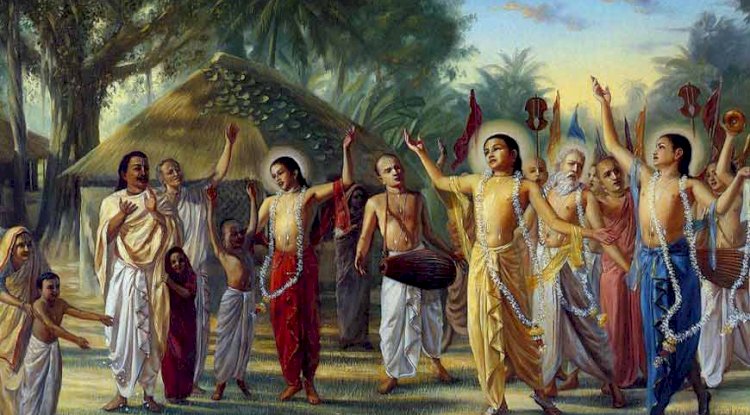
Religious and ethnic songs make up traditional music. Tagore's compositions for Rabindra Sangeet are genuine Indian classical music as well as traditional folk music, such as the Baul singing style. They have a significant impact on Bengali cultural life. The theatre is well-liked, and both amateur and professional productions are sophisticated. Both rural and urban communities enjoy the traditional open-air performances known as yatras (jatras), which can address either modern or mythological subjects. The Kavi is an informal musical lyric competition between village poets. Another ancient, folklore-based type of rural entertainment is the kathakata, a religious recitation.
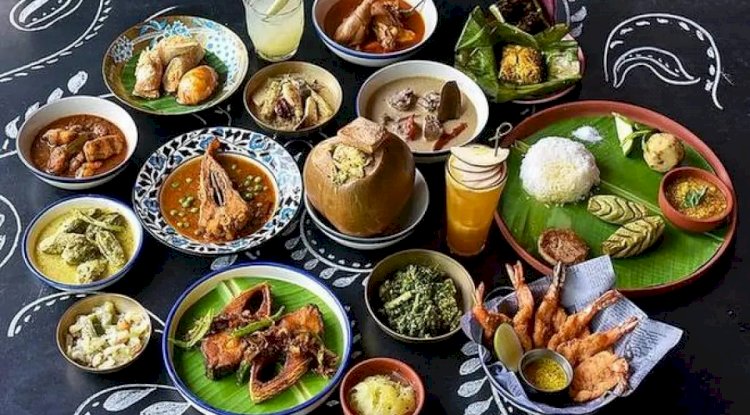
The traditional favourites of rice and fish have given rise to the Bengali proverb "machhe bhate bangali," which means "fish and rice create a Bengali." Bengalis love hilsa recipes, one of the many fish-based delicacies that Bengal has to offer. Depending on the texture, size, amount of fat, and bones of the fish, there are many different ways to prepare it. The majority of people also eat shrimp, mutton, chicken, and eggs. A typical food eaten in rural areas is Panta Bhat, which is rice that has been soaked in water overnight with onions and green chillies. Cumin, ajmoda (radhuni), bay leaf, mustard, ginger, green chillies, and turmeric are typical spices used in Bengali cooking. Bengalis value sweets highly both in their diet and at social gatherings. Bengalis create unique sweetmeats using milk products, such as Rôshogolla, Chômchôm, Kalojam and several kinds of sondesh. Pitha, a kind of sweet cake, bread, or dim sum, are a speciality of the winter season. Sweets such as narkol-Naru, til-Naru, moa and payesh are prepared during festivals such as Lakshmi puja. Popular street foods include Aloor Chop, Beguni, Kati roll, biryani, and phuchka.
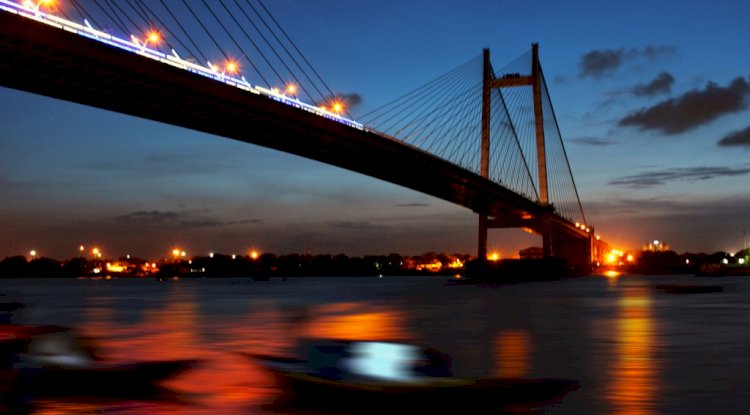
The epithet "city of surprises" refers to the city's soulful embodiment of culture, love, mystery, respect, enthusiasm, and some incredible sweet delicacies. The majestic colonial-era Victoria Memorial and the constantly-busy Howrah Bridge are just two examples of Kolkata's impressive architecture. Few other cities can match West Bengal for its collection of historic churches, synagogues, temples, stately palaces, and colonial structures in capturing the elegance of a bygone era.
What's Your Reaction?












