Was Akbar Really Great?
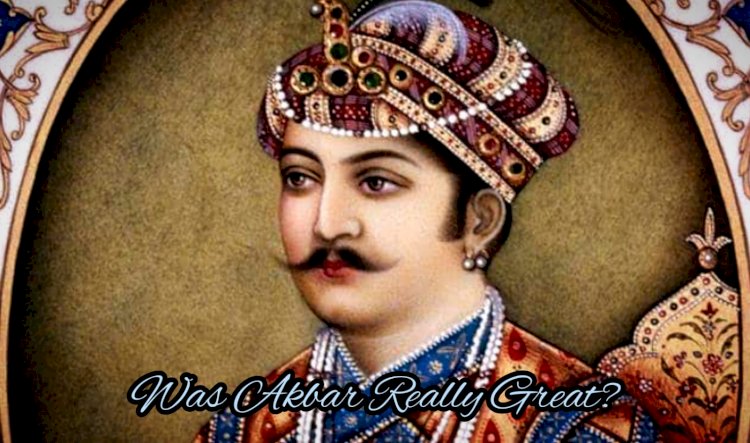
India's history is peppered with invasions, some of which robbed and left, others of which lingered and later established dominion. Except for Akbar, almost all of them have the reputation of being callous and unscrupulous. From 1542 to 1605 A.D., Akbar, a third-generation Mughal emperor, ruled. History books frequently praise Jalaluddin Mohammed Akbar Mughal as a "great" and "tolerant" figure among the Mughals. He is said to have been honourable and genuinely secular, unlike others. However, this description is not entirely correct. Records from now paint a strikingly different picture of the man.
After his father, Humayun Mughal, tragically died from serious head injuries after falling down the steps of his royal library, Jalaluddin Mohammed Akbar assumed control of the Mughal empire. On February 14, 1556, the young Akbar, at 13 years old, ascended to the throne of his father in the garden of his palace in Kalanaur. Due to his youth, Bairam Khan, the empire's chief minister, was appointed Akbar's head of state until he was able to assume charge of the Mughal Sultanate's affairs. Akbar is frequently praised for having a thorough understanding of politics, economics, and military strategy. By the conclusion of his administration, he had single-handedly conquered half of the Indian subcontinent and repeatedly overturned the Jaziya policy (though he later reintroduced it). By the time of Akbar's demise in 1605, the Mughal empire had seized huge tracts of land, from Odisha in eastern India to Kabul in the northwest. When it comes to military conquests, Akbar is frequently cited as one of the Mughal emperors who achieved the most success. Let's look at what makes him worse than the great: -
Ancestry
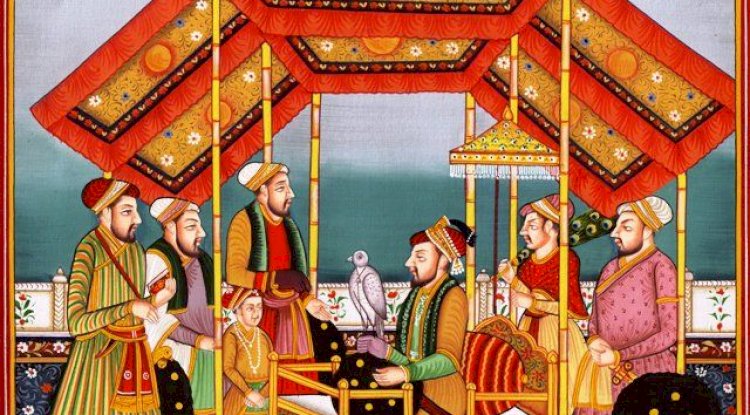
Akbar had no religious or even somewhat divine ancestry. According to Col. Tod, Babur used to enjoy the satisfaction of raising a tower of skulls on top of the bodies of those he had killed. "Triumphal pyramids were raised off the heads of the slain, and on a hillock which overlooked the field of battle, a tower of skulls was erected and the conqueror Babur assumed the title of Ghazi," he writes. Both Akbar's forebears and his offspring shared the same traits: they were cruel, alcoholics, and womanisers. It would be quite difficult to assume that Akbar lacked any of these qualities. Additionally, if Akbar was so honourable, why did he stand by and watch as Generals and contemporaries like Peer Mohammad pillaged and raped the defenceless populace he was in authority?
Lust for Women
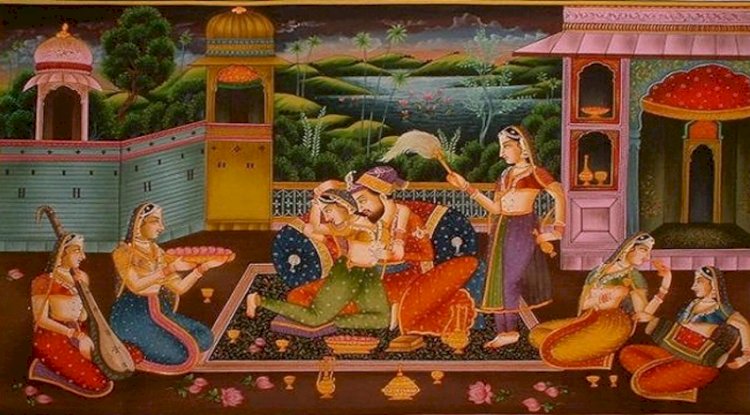
Like the other members of his family, Akbar had the same kind of yearning for women. He even didn't spare Bairam Khan, the wife of his bodyguard. He killed him and then wed his wife. There was a market called Mina Bazaar close to the Red Fort, according to historical texts like AbulFazal's Ain-I Akbari. Every lady in the state was required to appear before Akbar on the New Year, and he would select a woman from among them based on his preferences. There were allegedly close to 5000 ladies from all around the nation in his harem. It seems inconceivable that taking the wives of dead or kidnapped Hindu warriors and using them as slaves and prostitutes in his harem could be considered a good and honourable deed. One could claim that India as a whole was turned into a brothel during the rule of Mughal emperors, and Akbar was no different.
BATTLE FOR CHITTOD
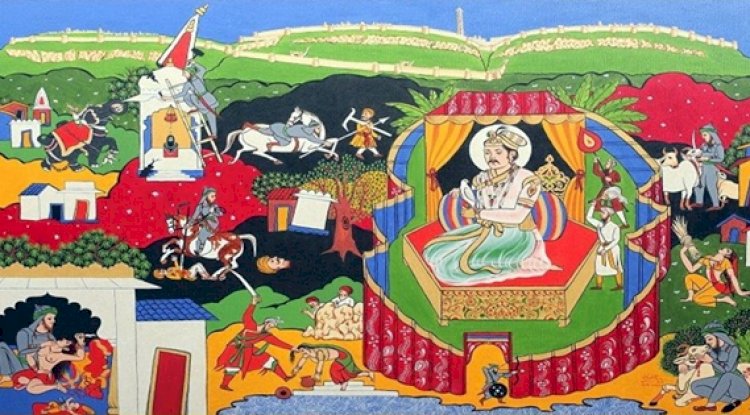
Akbar began the process of marrying the women from the Rajput royal families in 1567 under his "marry-or-die" policy. Uday Singh, the Rana of Mewar, refused to allow his daughter to wed Akbar. Outraged, Akbar started a war with the Mewar empire and assaulted the Chitod (Chitorgad) fort, which had 8,000 gallant Rajputs stationed there to protect it. When the Mughals attacked the fort with musket fire, Jai Mal, the Rajput commander, was killed. When the fort's residents learned of Jai Mal's passing, complete panic and mayhem broke out. The courageous Rajput ladies were not willing to surrender their honour to a Mughal emperor, despite Akbar's notorious reputation for using the women of captured forts as sex slaves in his harems. The Rajput women of Chitod jumped onto pyres early on February 24, 1567, to avoid being carried away as "pleasure women" in the harems of the Mughal emperor.
Barbaric Akbar
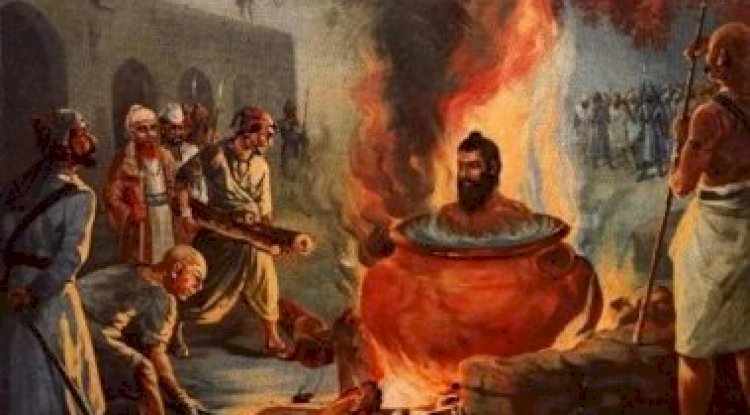
Another misconception is that Akbar abstained from striking the defenceless and the hurt. At the age of 14, Akbar used his scimitar to sever the neck of his Hindu foe Hemu, who had been brought before him wounded and unconscious. In addition to this, the onlookers continued by slashing the wounded corpse with their swords. Hemu's trunk was hung at one of Delhi's gates, while his head was sent to Kabul. Neither temples nor towers of defeated rules were pardoned, all were destroyed under Akbar. There were events where intolerant Akbar ordered the excision of one man’s tongue, trampling opponents to death by elephants and other private or informal executions and assassinations.
Hatred towards Hinduism
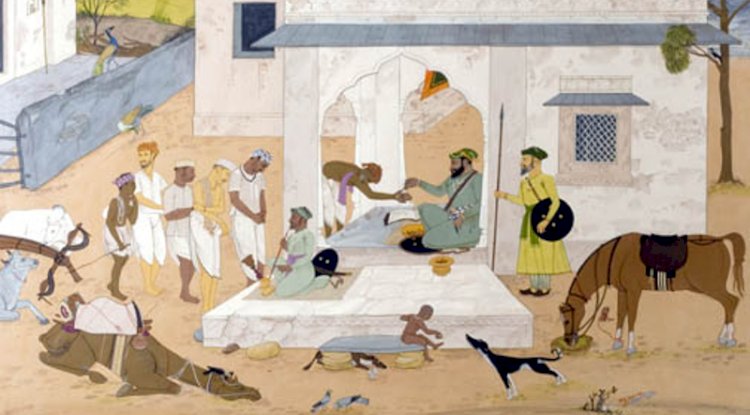
The Ain-I-Akbari makes it clear that throughout Akbar's rule, Hindus were considered second-class citizens. "He [Husayn Khan, Akbar's governor in Lahore] commanded the Hindus to wear a patch (Tukra) near the shoulders as unbelievers, and therefore received the epithet Tukriya (patcher)," writes Abul Fazal. Because their citizens were hasty enough to shut their gates, Akbar pillaged the revered Hindu cities of Prayag and Banaras! It makes sense that Prayag today lacks any old monuments because all that is left is trash. When Akbar entered their city, his subjects, particularly the Hindus, were appalled and terrified. If Akbar was indeed so gracious, why then didn't the people come forward and welcome him? The deeply religious devotion of the Musalmans, according to Akbar's contemporaries Monserrate, "had destroyed all the idol temples which used to be abundant." Numerous tombs and tiny shrines of evil and useless Musalmans have been built in the place of Hindu temples, and these guys are worshipped there with false superstition as if they were saints.
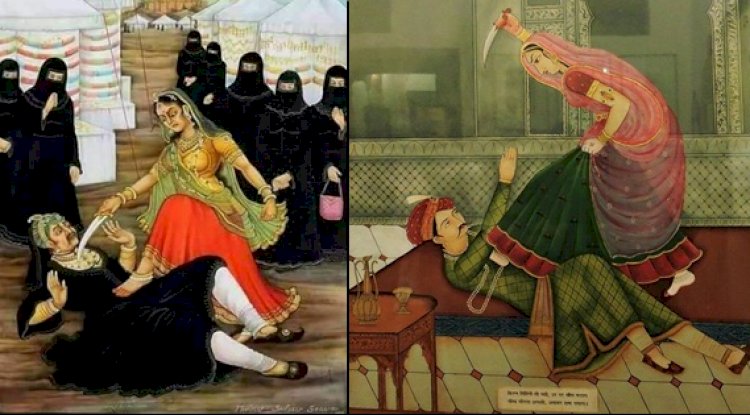
Akbar ruled with passionate zeal. He did not care for or have any love for Hindus. They endured humiliating treatment and stigmatisation. The terrible thing is that Akbar is nearly worshipped by the Indian populace today as one of history's greatest and noblest kings. This is the result of the history that has been taught to us being skewed, as well as the way that Akbar has been portrayed in popular culture and the media. Not because Akbar did no good or was incapable of becoming a capable king; rather, his faults overshadow his positive deeds. His reputation now is completely false, especially concerning how he treated Hindus and his generous character.
Furthermore, Bollywood never misses an opportunity to profit by debasing such idols. Sadly, it has a significant effect on us. Today, the movie "Jodhaa Akbar" is the source of more knowledge about Akbar than real literature written by those who had seen or lived with Akbar. If you disagree with Akbar to a regular Indian, he'd probably trust a scene from the movie to support Akbar.
What's Your Reaction?












