What are the problems faced by orphans in India?

India is the second most populated country in the world, despite being the seventh largest in the world in size. An estimated 1.35 billion people live in India, 158.8 million of them being children below the age of six. As a third-world country, more than half the population are living in poverty, leaving many parents unable to properly care for their children. There are more than 30 million orphaned and abandoned children in India - that's almost 4% of the youth population.
Since the Covid-19 pandemic struck in 2020, thousands more children have been orphaned, and the true figures are still unknown. It was thought that 1,000 children were left orphaned as a result of the pandemic in Uttar Pradesh alone, but the real figure could be much higher.
Adoption laws in India are strict, leading to exceptionally low numbers of adoptions taking place. From March 2019 to March 2020, only 3,351 children were adopted. It's thought there are only 20,000 couples registered to adopt a child in India, but according to the Indian Society of Assisted Reproduction, there are almost 28 million couples who are trying to conceive but who are infertile.
Outside India’s orphanages seem safe havens for India’s homeless street children. Secretly, orphanages are dens of cruelty to children, even though they, and other stakeholders, expect nothing but kindness. Exploitation, sexual and psychological violence, and abuse at child homes and orphanages are common. The mistreatment of children, a list of violations of child rights at orphanages in India, must be understood, so those solutions are identified. This is even more pressing as many of these orphanages enjoy the charity and kindness of India’s public-hearted citizens. The following problems are faced by orphans in India: -
- Emotional Problems
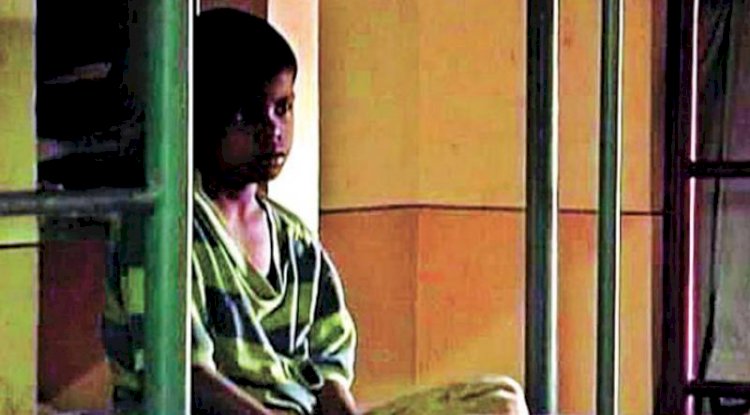
When a child becomes an orphan, they're more susceptible to experiencing the following psychological problems:
- Anxiety
- Depression
- Self-isolation
- Anger
- The desire to withdraw
- Feelings of sadness
The worst part about this situation is that these issues can become long-term obstacles that orphans face. In some cases, It's not easy to manage the death of a parent, and when orphans don't get help, they need to process their emotions, and it can be challenging for them to encounter peace and good quality of life.
- The physical, financial, and educational woes
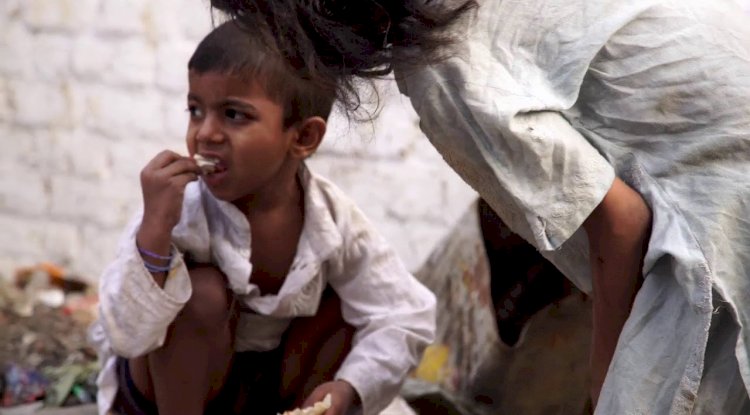
Emotional distress isn't the only problem faced by orphans and vulnerable children. When kids don't have anyone to look after them, they walk into a situation where they're dependent on themselves. And when you're a child, it's impossible to care for yourself in the way that you need.
This unfortunate reality can be seen in Eswatini, Africa, where more than 200,000 orphans make up the 1.1 million people living in the kingdom. Because of various factors like HIV/AIDS, many parents die or abandon their kids, leaving their children to face four primary obstacles.

- Zero access to education
children's primary education is free, a gift that parents appreciate since many of them live in poverty. Secondary school, on the other hand, is not free. Parents have to finance this next step if they want their children to continue their education.
But for orphans in India, continuing their education isn't possible. Without parents who can pay for their schooling and books, they have no way of attending classes, and it's not hard to guess what happens when someone doesn't have a good education. More often than not, they find themselves in a cycle of poverty that's hard to escape and that continues even when they have children.
- Poor infrastructure
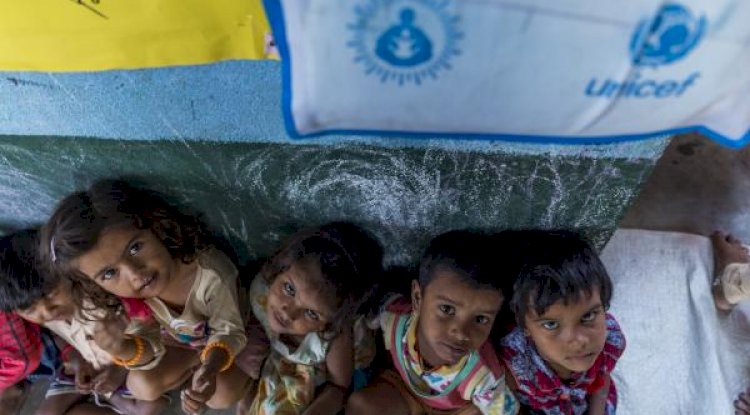
With such a shocking lack of concern, it is not a surprise that there is minimal investment in infrastructure. Across reports submitted to the government, poor infrastructures are common. Poor lighting, cramped accommodation and, regular violence as a means of discipline instead of proper child behaviour methods are just some examples of poor infrastructure at orphanages. This is all exacerbated by the Lack of well-trained, educated staff that treat helpless homeless children and their distinctive needs with empathy.
Orphanages are instead ‘ruled’ with fear. Children are also kept unaware of their rights, and to who they can report child rights violations. Abuse is carried out by personnel appointed at this institution, including wardens, watchmen, cooks, and other staff who carry out abuse.
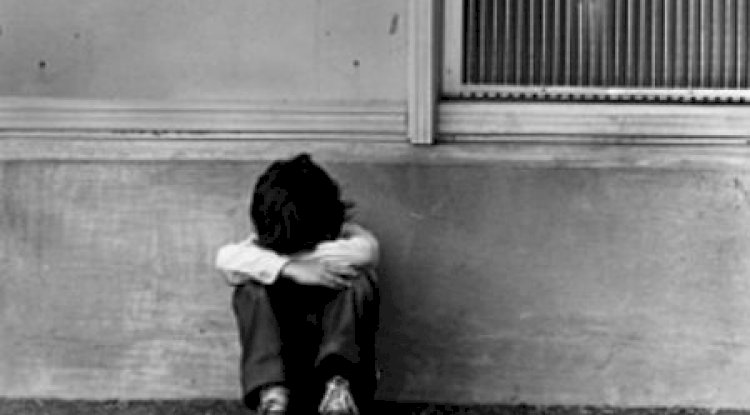
- Abuse at orphanages and shelters
Year on year, scandals at Indian orphanages have revealed how children’s homes are managed. Staff at India’s orphanages have even been implicated in criminal charges. In a culture of abuse, even older children learn to bully and assault the young. Children are sexually abused, beaten, and psychologically abused. This culture runs rampant in institutions, which are not supervised by any regulatory bodies, and therefore escape scrutiny. These orphanages also do not have any standardisation in quality of care. Attempts to address these issues are resisted, as privately-run ‘homes’ refuse to be registered with India’s 2000 Juvenile Justice Act.
Save the Children, India’s leading child rights NGO believes in empowering communities with the capabilities to provide basic care to children. It is enabling families to access essential information, nutrition, and health care services. Institutional care should be the last resort, the NGO believes. It works across geographies to promote family, kinship and alternative care. Instead of supporting orphanages, donate to NGO fundraising to ensure essential resources and child protection services meet at-risk children. Donors will also receive a substantial donation tax rebate.
What's Your Reaction?