What is the future of electrical vehicles in India?
In March 2022, Minister for Road Transport and Highways, Nitin Gadkari mentioned in the Parliament that between 2019-2020 and 2020-2021, the two-wheeler EVs rose by 422%; three-wheelers by 75% and four–wheelers up by 230%. The number of electric buses also increased by over 1,200%. The global market for electric vehicles (EVs) is growing continuously at a compounded annualised growth rate (CAGR) of 21.7 per cent. It is expected to grow from 8.1 million units to 39.21 million units by 2030. This exponential growth is being driven by various factors, including concerns about pollution.
When the first EVs were manufactured/introduced, very high initial cost, low battery range, low speed, and much lower environmental concerns resulted in the industry not taking off. The last 10 years though have seen universal interest among original equipment manufacturers (OEMs), customers, and governments, resulting in huge investments being made in EV manufacturing and battery technology, resulting in millions of vehicles getting sold in various countries. All the major global and Indian OEMs have invested in and launched EVs, and a large number of new OEMs have attracted huge investments and launched very successful models, building the demand for EVs, and thus creating unicorns, too.
Tesla has been one of the most successful EV companies/brands in the world, but others, including Mercedes Benz, Tata, MG, GM, Audi, Hyundai, Nissan, BMW, and Renault have also launched EVs, which are receiving customer demand in different markets. The coming decade is anticipated to be the ultimate decade for the future of electric cars in India. With battery amounts reportedly falling up to 73%, electric-powered vehicles are anticipated to be as reasonably priced as gas-powered vehicles within the foreseeable future. The International Energy Agency cites that there would be 70 million electric vehicles by 2025. Till 2026, the EV market is scheduled to grow at a CAGR of 36%.
There is no doubt that EVs are the future of driving and mobility, and while newer materials may be used in the battery chemistry, and innovations will keep taking place, the trend is irreversible because of the following reasons:
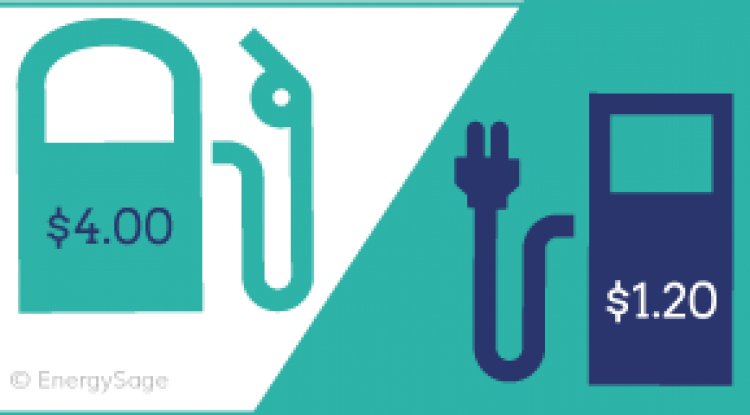
Significant cost savings on running and maintenance: Running and maintenance costs are a major part of the ownership cost of any vehicle, and it is now well established that EV buyers spend much less on fuel/energy and maintenance, as EVs have fewer moving parts than a gasoline engine, which makes it easier to maintain.
EVs have very few parts that may break or need any repair or replacement. So, there is no need to worry about changing the engine oil, thus making it easier to maintain electric cars at a lower cost.
Eco-friendly savings on CO2 emissions: Shifting to electric mobility will help India save nearly one Giga tonne of carbon dioxide emissions by 2030. Each electric car on the road helps in reducing the harmful air pollution for the younger generations to come. The whole world is fighting global warming and drastic climate change, which is increasing conflicts and political tensions between nations. Car buyers are ready to do their bit for the environment by shifting to EVs, which have zero tailpipe emissions, and which will ultimately help save our environment from smog and climate change.
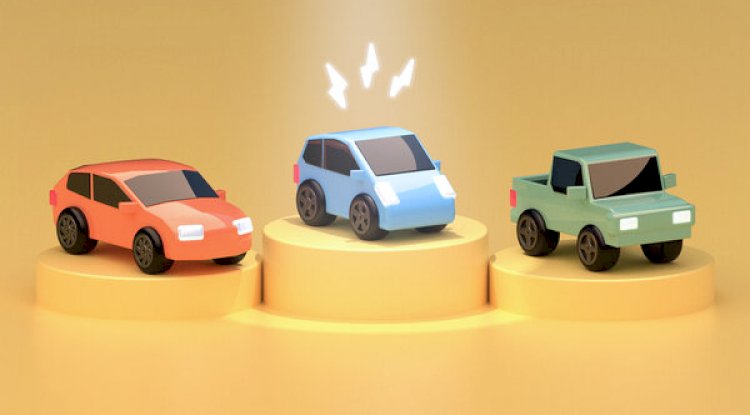
An incredible driving experience by reducing driving fatigue/stress: Electric vehicles don’t have gears, which ensures an excellent driving experience with no complicated controls. Just accelerate, brake, and steer to manage and enjoy a calm, convenient, safe, and noise-free ride.
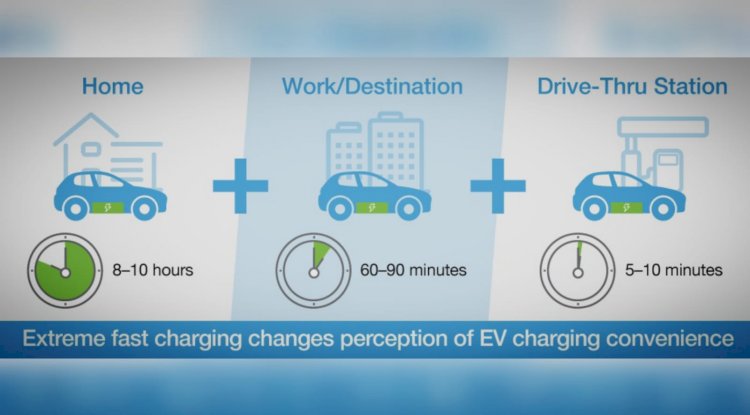
Convenient charging: Electric vehicles rely on electricity to charge their batteries instead of using fossil fuels like petrol or diesel. With more EV battery charging stations popping up now, it will be easier for the users to charge the batteries at a nearby station rather than wait in a long queue at the CNG stations or petrol pumps. The EV owners can also choose to charge the batteries with charging equipment from the comfort of their homes.
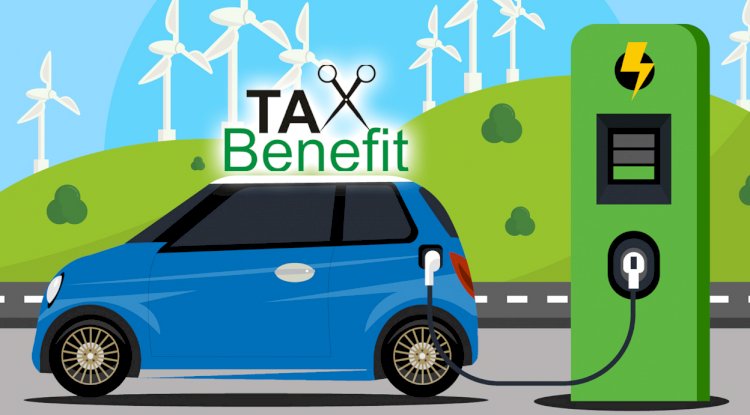
Tax benefits: Buying or leasing an EV can give you an advantage in tax savings. If you have an electric vehicle registered in your company’s name, then you can avail yourself of the 40 per cent depreciation in the first year to save on income tax. The government is also supporting your idea of buying an electric car and has already introduced an EV policy under which you can avail yourself of additional benefits of up to Rs 1.5 lakh.
Electric vehicles are the future! The manufacturing companies are putting more effort into moving from traditional vehicles to electric cars. There are plenty of benefits to owning an electric vehicle with the right amount of functionality and infrastructure. With so many positives, this could be the year to own a battery-powered vehicle. Think and go electric! By 2030, 80% of two and three-wheelers, 40% of buses, and 30 to 70% of cars in India will be electric vehicles, says the NITI Aayog. As the nation gears toward its ‘Zero-emission’ 2070 dream, funds and focus are directed toward electric mobility
What's Your Reaction?