What makes us introverts, extroverts or ambiverts?
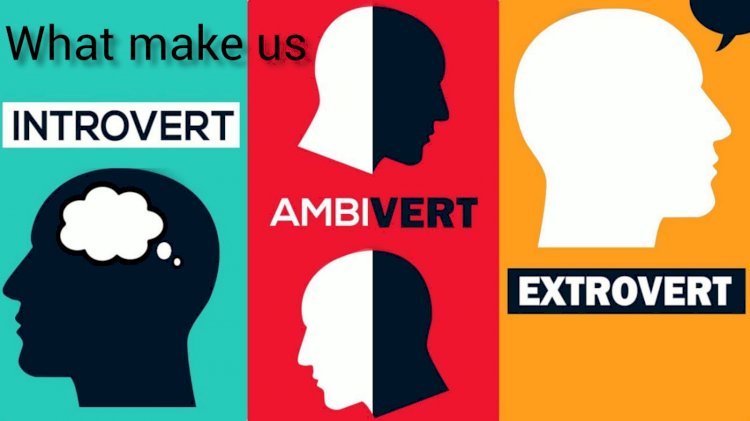
Knowing which you identify with the most can affect your energy levels and joy. Since, in such a case that you don't keep an eye on the requirements you have - likewise as far as getting energy, then, at that point, you are not helping yourself out. Various individuals have different character types. One key way we can place various characters into classifications is by utilizing the terms, 'introvert', 'extrovert', and 'ambivert'.

Contrasts additionally exist about critical thinking. Extroverts typically find it accommodating to express issues and are maybe bound to request guidance from others, while an introvert would generally imagine or work out likely arrangements. Moreover, extroverts are commonly great at articulating their thoughts verbally and can do such spur of the moment. Introverts in the interim set aside some margin to gather their contemplations and convey them deliberately. That can have a thump on impact with regards to gatherings - extroverts can wind up ruling the discussion. "Once in a while extroverts should be reminded to allow others to talk through introverts should be provoked to talk," says Flanagan.
The basic distinction between introverts and extroverts is that introverts are empowered by investing time alone and extroverts get their energy from investing time with others, in friendly circumstances. Introverts and Extroverts are on a range, and this implies that no one is a complete introvert and no one is an all-out extrovert. For instance, an introvert could act outgoing by working through an issue without holding back, and an extrovert could act contemplative by needing to impart something recorded as a hard copy as opposed to by talking.
- Introverts are people that need to be alone to recharge their batteries.
- Ambivertsget energy from being alone and being around other people.
- Extroverts need to be around other people to get energy.
The justification for these distinctions lies in our brain chemistry. While introverts don't require others to get animated, extroverts rely upon them to get invigorated. The explanation introverts need additional time alone is that they get overwhelmed by being around others.
A significant part of the ebb and flow research on the distinctions among introverts and extroverts is completed by educators and teaching method specialists, for example, Flanagan and that is because there's been a major push toward bunch learning as of late. "There are lots of proof that learning goes up on normal when understudies are effectively engaged with building information with their companions in gatherings," says Flanagan. "We want to accommodate this with the way that introverts might hate this instructing strategy."
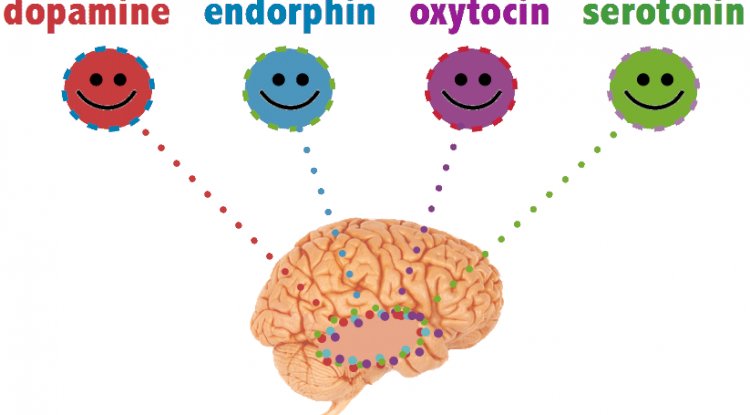
The thing about introversion and extroversion is that it falls on a spectrum. This means that the majority of people are in between the two ends ranging from introversion to extroversion. Research shows that people are born introverts, extroverts, and ambiverts since their genes determine their brain chemistry which determines their personality type. Extroverts’ brains are more driven by a chemical called dopamine. Dopamine makes us feel good when we pursue external rewards, such as social interaction. Introverts’ brains are more driven by a chemical called acetylcholine. Acetylcholine motivates us to pursue internal rewards, like reading.
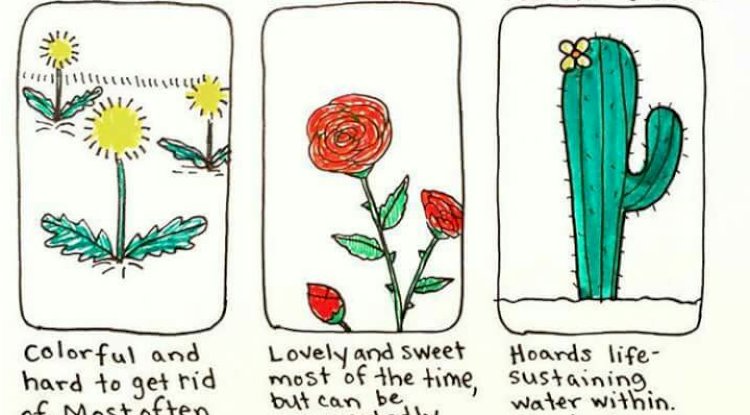
Myths about personality types
- Introverts are unfriendly and uninterested in people.
Introverts tend to feel more comfortable connecting with people individually, or in small groups, rather than in large gatherings. However, they can still enjoy social interaction.
- Extroverts are the most confident.
Confidence can look different for different personality types. An extrovert might express confidence in themselves by talking with people they have never met before. An introvert can equally express confidence in themselves by being alone in public.
- Ambiverts have the perfect balance between being an introvert and an extrovert.
Ambiverts are flexible to different situations, but being an ambivert can have its disadvantages. Ambiverts may feel confused about which part of their personality they should follow. They might not know whether they can best make use of their skills alone or with other people.
Whether you’re an introvert or an extrovert doesn’t say much about how outgoing you are – that’s a common misconception. New experiences can change people over their lifetimes. If you are, for example, an extrovert who dislikes spending time alone, it is possible to learn to be comfortable being by yourself. Similarly, if you are an introvert who wants to be better at public speaking, it is possible to improve. In this way, we can always grow and develop.
What's Your Reaction?