Modern vs Ancient: Which was/is the best life?

To appreciate our ancestors' life, comprehend their thoughts, and learn from them, we must realise the circumstances under which they lived in ancient times. The silence was normal in an era before cell phones, computers, telephones, cars, refrigerators, and all the other beeps, buzzes, and noises of modern life. When there were less than fifty million people on the planet, loneliness was common. Austerity was commonplace when people's lives depended on how much food they could produce locally each year. Only a few will be mentioned in this post.
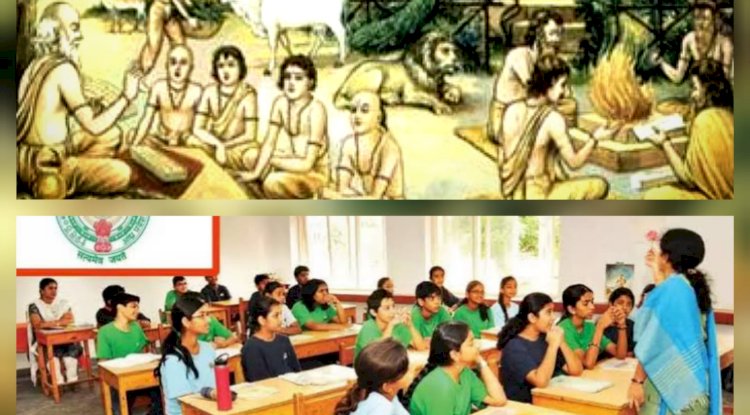
Sight
Ancient – Man's visual intake was confined to the sights in his immediate surroundings because there were no photographs and few sketches and paintings. Because they rarely travelled more than a few dozen miles from home because those traits are rarely found together, few individuals had ever seen snow, jungles, mountains, woods, or oceans. Although travellers may give specific details to people back home, it was rare to see different places. Reading and studying documents was unusual in a world with few written records and low literacy.
Modern – Technology allows almost anyone to have almost any type of visual input, regardless of their environment. With millions of documents on every conceivable subject available to most people in an instant, people can spend large percentages of their time on them.
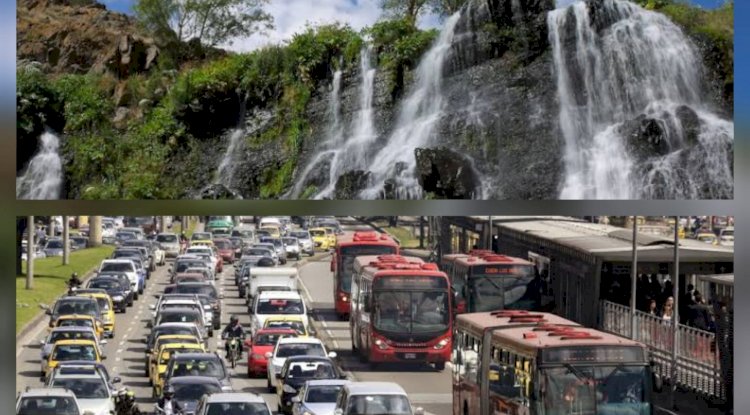
Hearing
Ancient – The sounds of nature, the human voice, and the noises of a few manmade things such as the creak and groan of the oxcart and the clash of swords comprised the sounds available to be heard. The overall noise level, except near inherently noisy places such as waterfalls, was low. Conversation occurs at about sixty decibels (db) and the sound of a large waterfall such as Niagara might tip one hundred decibels. A human shout, such as what people might have heard in war, tops out about ninety db. Our ancestors would rarely have heard anything louder.
Modern – The only limit of sounds to which one can be exposed is the ability of the human ear. One can listen to sounds from the deep sea or high atmosphere sounds never experienced in person by anyone.

Smell
Ancient – The smells accessible to man were those of the natural world immediately around them. Abraham, for example, probably never experienced the smells of cinnamon, nutmeg or cloves. Due to an increase in trade, the apostles may have.
Modern – Smells are more limited than sights or sounds because it is more difficult to transmit chemicals over the internet than electrons. Nonetheless, foods, flowers and other fragrant items can be transported across the globe in a matter of hours.

Taste
Ancient – As with smells, food could not travel far, so people experienced only what was local or regional. Because Canaan was a land bridge for trade between the continents, Israelites would have had the chance to experience much more variety than those at the end of trade routes, such as the Ethiopians.
Modern – As with smells, the only limit to tastes one can experience today is the limitations of the human body.

Touch
Ancient – Tactile stimuli are the same throughout the world.
Modern – Ancient man was far less protected from hot, cold, rough, smooth, and other such stimuli than we are today. Many of us spend our days in climate-controlled houses, buildings and vehicles.
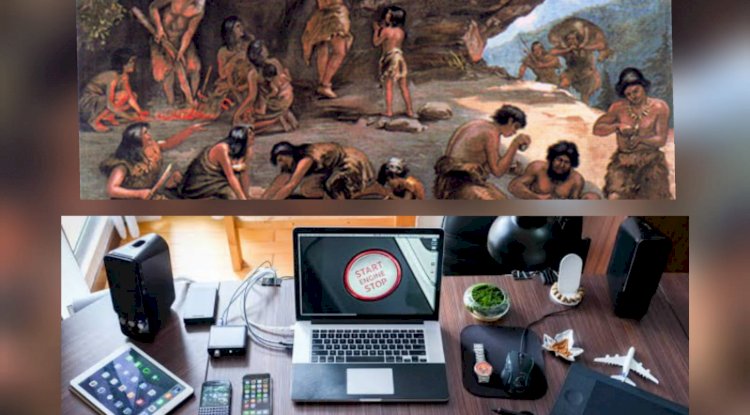
Day
Ancient – Artificial light, usually candles or lamps lit with olive oil, was expensive. Most people had little. When the sun went down, they went to bed. Combat larger than small unit actions could not occur at night because commanders could not control the bodies of troops. Land navigation depended upon the stars and landmarks because roads, until the famous Assyrian roads, with their regular waypoints, were generally narrow and could be easily missed.
Modern – Today artificial light is cheap and work is less often hard physical labour. Instead of being awake 12-14 hours per day like the ancients were, we are awake 16-18 hours per day, most of it filled with activity and sensation.
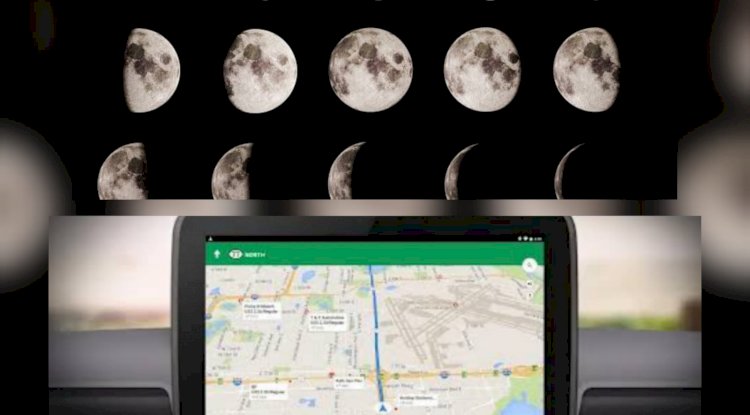
Fortnight
Ancient – The phases of the moon and the movement of the stars were important for religious observances and long-distance navigation, especially nautical.
Modern – Navigation is done with timepieces, maps, charts, and radio and satellite navigation aids. Celestial navigation is a vanishing art.
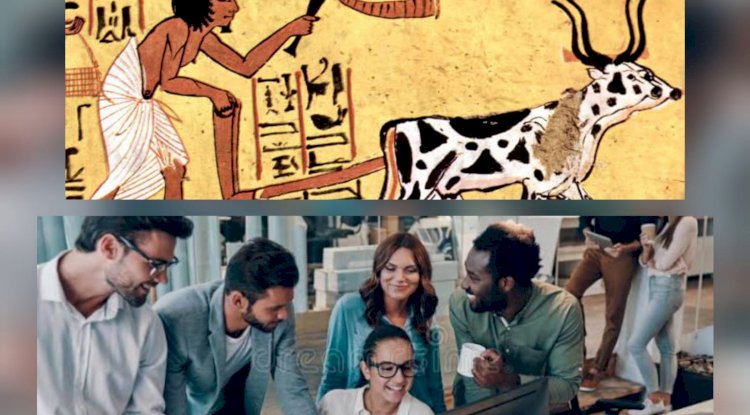
Year
Ancient – As largely agricultural people, the seasons dictated man’s activities. Wars could not occur during the harvest until there were enough people to do both at the same time. The Gezer calendar of the thirteenth century BC illustrates the agricultural focus of the ancient Israelites.
His two months are (olive) harvest
His two months are planting (grain)
His two months are late planting
His mouth is hoeing flax
His mouth is the harvest of barley
His month is harvest and feasting
His two months are vine-tending
His month is a summer fruit
Modern – Few in developed countries are one poor harvest away from starvation, so the seasons have far less impact on the lives of people.
The greatest force available to man in the ancient world was the pulling force of an ox or horse and the pushing force of the wind or water. Thus, man’s ability to lift and move was limited (although as the builders of the pyramids demonstrated, impressive).
Libraries have been written on this topic, but students of history and historical documents such as the Bible should be aware of these important facts. A clearer understanding of the lives of our ancestors will help us better understand their thoughts, actions, and lives. It will also help us better identify the lessons of history and apply them to our world today.
What's Your Reaction?












