What Is the Difference Between Fear and Phobia?
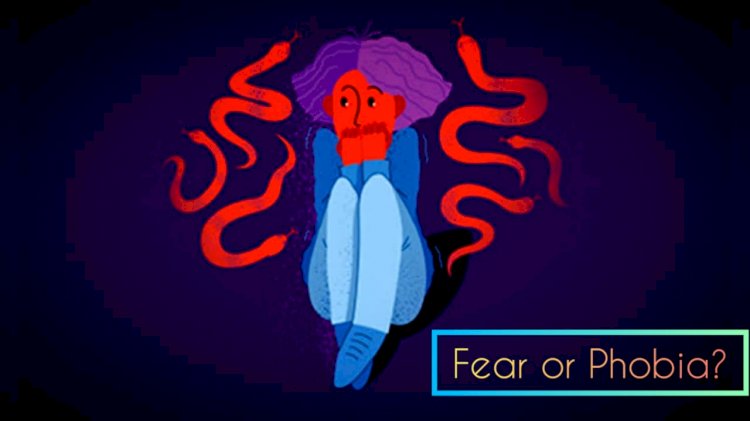
People experience a wide range of emotions. Humans express a wide range of emotions at various times and in a variety of circumstances, including joy, sadness, excitement, and fear. Phobias are just one of the numerous psychological illnesses that affect humans and that psychologists all around the world have identified. However, due to the similarities between the two, it is frequently observed that these two words are occasionally used synonymously. Therefore, understanding their distinctions is necessary before using these two words in the proper settings.
Phobias, anxiety, and fear all have overlapping definitions that may lead to confusion. People who think they could have phobias or anxieties should understand the differences. Psychologists frequently distinguish between phobias and fears. An emotional reaction to a real or imagined threat is fear. A phobia is comparable to fear, but with one important distinction: people who suffer phobias often have anxiety that significantly impairs their quality of life and/or daily functioning. A phobia is comparable to fear, but with one important distinction: people who suffer phobias often have anxiety that significantly impairs their quality of life and/or daily functioning. Although many people have a fear of spiders, only a few of them will have a spider phobia. People who are afraid of spiders frequently spend a lot of time worrying about them, taking excessive precautions to avoid coming into contact with them, and avoiding certain situations and activities altogether.
What is fear?
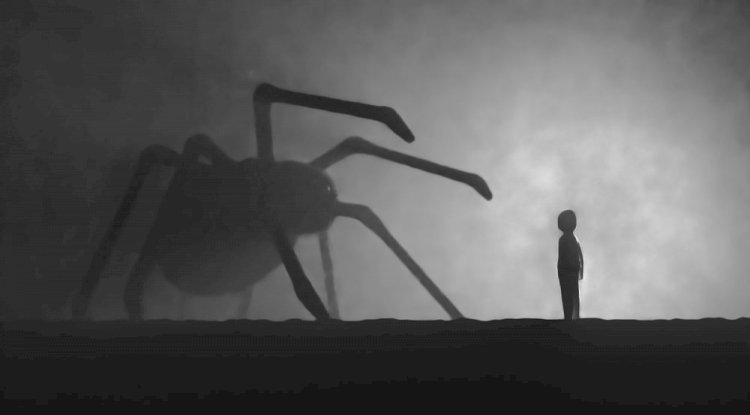
Living things feel the emotion of fear, which is triggered by threats, and it alters brain activity and behaviour. Fear is a reaction to particular stimuli that are viewed as threats to one's life, health, security, power, or anything of value that is either happening now or in the future. Humans respond to fear in a variety of ways, including fleeing, freezing, hiding, etc. They are brought on by the impression of danger, which leads to either avoiding the threat (the flight response) or confronting the fear-inducing situation. In extreme circumstances, this may also cause a freeze response or paralysis. Fear is a common emotion that is fuelled by learning and cognition. Fear may be viewed as sensible as well as irrational and inappropriate
The word "fear" derives from the German word "Gefahr," which means "danger." Something dangerous triggers this mental state. As a result, fear is a necessary reaction since it serves to protect individuals from real risks. The survival of our ancestors depended on this instinctive response. The two phases of fear are as follows:
- Biochemical Reaction
This is when the body responds to danger by “fight, flight, or freeze”. This is an involuntary response as the physical reactions are governed by the sympathetic system.
- Emotional Reaction
In this stage, the response is more subjective as most people avoid situations that may lead to fear but some seek this emotion. For instance, “adrenaline junkies” are thrilled when they are in a dangerous situation.
What is Phobia?
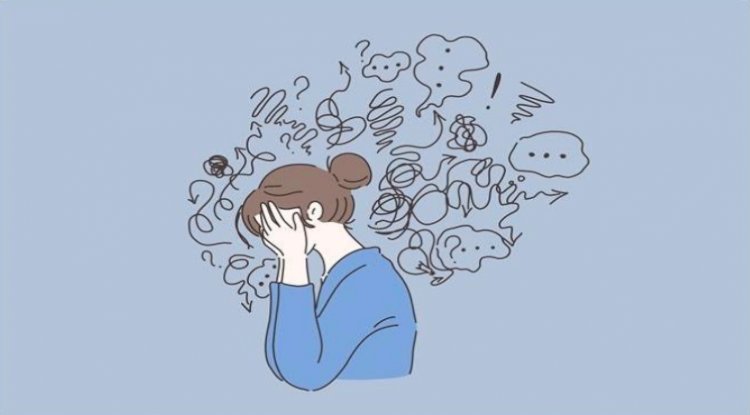
Phobos, a Greek term that means "panic fear" or "terror," is where the word "phobia" originally came from. This is a very strong fear that is out of proportion to the threat it represents. As a result, it can seriously obstruct a person's relationships and daily tasks. When a person has a phobia, they exhibit a persistent, irrational fear of a situation or an object and go to tremendous measures to avoid it, usually out of all proportion to the risk that it poses. This is a sort of anxiety disorder. It has been observed that if the circumstance cannot be completely avoided, the person will experience extreme anguish and will find it difficult to engage in social or professional activities.
Social phobias, particular phobias, and agoraphobia are the most common categories used to describe phobias. Arachnophobia, or the fear of spiders, and acrophobia, or the fear of heights, are examples of specific phobias. Social phobias include discomfort in crowded places or a persistent fear of public speaking. Agoraphobia is the fear of leaving a familiar area such as home and the panic attacks that may be triggered by this act. However, phobias such as xenophobia transcend and overlap many such categories.
What is the difference between Phobia and Fear?
Fear and phobia are two interrelated words that often go hand in hand. However, the differences between these two words prevent them from being used as synonyms for one another.
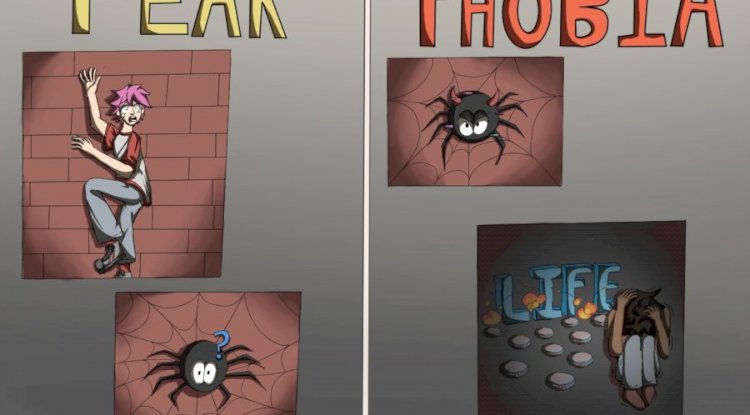
- Fear is a normal human emotion triggered by threatening conditions. A phobia is an anxiety disorder.
- A phobia is an irrational fear where the reaction of the sufferer in avoiding the said cause is grossly disproportionate to the actual threat posed by the object or the situation. Fear is a rationalized and justified emotion that comes in response to a threatening situation.
- The reaction caused by fear can be managed. The reactions triggered by phobias are usually extreme and cannot be controlled.
- A phobia can be treated medically. Fear cannot be and should not be treated medically.
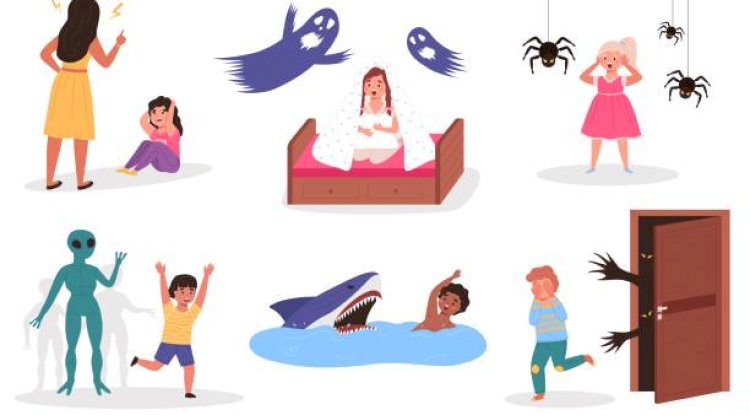
The fact that fear and phobia are qualitatively very different problems makes the distinction between them useful. Similar distinctions can be seen between fear of rejection and rejection phobia. There is a segment of the population that would be categorised as rejection-phobic, whereas the majority of individuals are at least aware of and watchful of rejection. While there are undoubtedly some similarities between these two groups—the phobic and the fearful—they are essentially different. It is extreme and needless to rearrange your entire day or maybe your entire life to avoid coming into contact with a non-venomous spider.
Both fear and phobia are emotional states that result in physical responses including faster heart, respiration, and pulse rates. These are related to circumstances that cause people to feel incredibly uncomfortable. Because of the link with the adverse stimulus, fear, like phobia, can be a learnt response. A phobia, on the other hand, is an unreasonable dread that is defined by a marked anticipation of a perceived threat. Fear, on the other hand, is mostly an instinct that serves to protect species from genuine danger.
What's Your Reaction?