Are you addicted or habituated?
The terms "habit" and "addiction" are frequently used interchangeably. But there is a significant distinction between them. Habits can affect a person's life in both positive and negative ways. Addictions, however, have a detrimental effect. There are a few techniques to tell the two apart. Now let's start by examining habit vs. addiction in more detail.
The distinction between a habit and an addiction from the mental health perspective can be equally confusing and intimidating. The distinction between the two can be hazy, and addictive and habit-forming behaviours frequently cross over one another in surprising ways. Awareness of the differences between the two helps guide our decision-making and prevents us from misleading.
What Is a Habit?
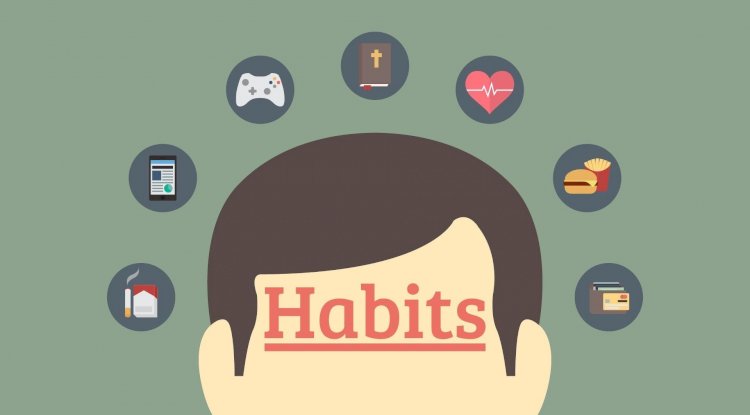
Typically, a loop based on a reward system is where habits start. When we carry out a particular practice, a trigger in our brain sets it off, sending it on an autopilot journey. We have a tendency to repeat an action when our brain perceives a benefit from it. An example would be the morning alarm. We might get up, make coffee, and start our routine as a result. You indulge in the coffee as a treat, which offers you an energy boost. So it seems sensible that we keep up this routine since we like the energy increase. We establish a habit as a result of this reward. A habit can take some time to form. Normally, it can take anything from 18 to 254 days. In truth, up to 254 days. The average person, however, typically forms a habit in 66 days. Some studies say it typically takes 21 days to quit a habit. There are some good behaviours. Good habits include things like exercising, eating well and sleeping the appropriate amount of time. Most people can easily change their health habits. However, undesirable behaviours can be rooted in the brain. They perform a biological or emotional function. Addictions frequently affect this in some way.
What is an Addiction?
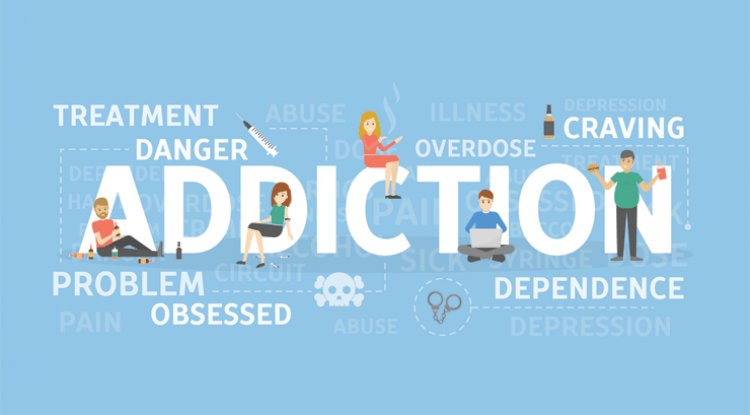
On the other hand, addictions are considerably stronger than habits. In these situations, people will typically make sacrifices in their lives because they feel obligated to pursue a substance or activity. Although it can be challenging to define addiction, the American Psychiatric Association clearly explains what triggers particular addictive behaviours. "People with addiction (severe substance use disorder) have an extreme emphasis on using a certain substance(s), such as alcohol or narcotics, to the point where it takes over their lives," the organisation noted. People who are addicted to something, therefore, experience altered brain functions and various thought processes. Some addicts are aware of their mental health issues but nevertheless participate in risky behaviour despite it.
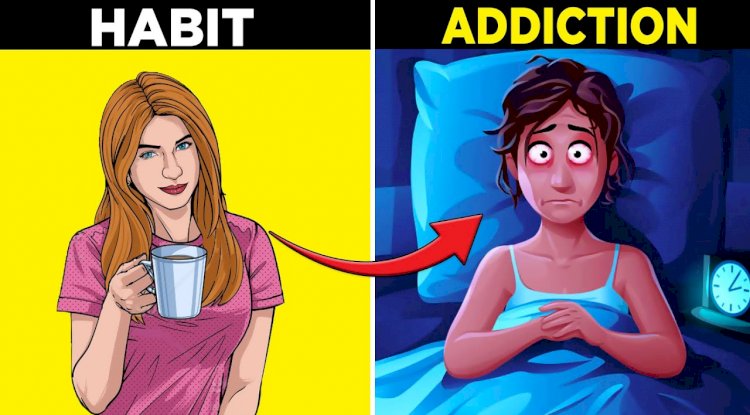
Habit vs Addiction
Addiction is harder to overcome than a habit. Addicts crave the "feel good" sensation and frequently struggle without it. When a person is lacking their preferred substance, they often have real physical reactions to many other substances. They may become afraid thinking about living without it. Your habit turns into an addiction when your brain starts to perceive the dangerous substance you're consuming as useful. A physiological relationship is the root cause of everything. Your mind begins to believe that your unhealthy habit is necessary and beneficial for your body. However, you should be aware that sipping wine after a demanding day at the office might only be a harmless habit if done in moderation. However, when this becomes a daily habit and one glass becomes two, three, or more, you might be headed down a road to addiction.
Many people mistakenly think that drinking or doing drugs is just a bad habit when it comes to habit vs. addiction. However, you can have an addiction if it is controlling your life. Conflicts in family connections, employment, and spiritual well-being are frequent among addicts. A person may also experience financial difficulties and legal troubles. Now, you know more about habit vs addiction.
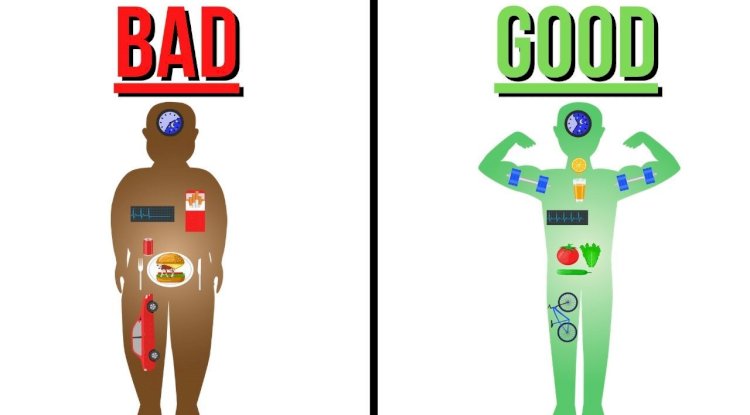
Being aware of when you have crossed the line from a habit into addiction is critical for catching the behaviour and seeking help for it. To recognize if the activities or behaviours you are engaging in are habits or addictions, you can ask yourself the following:
- Am I doing the behaviour more than I planned?
- Am I unable to stop engaging in the behaviour even if I want to?
- Do I feel anxious when I am unable to engage in the behaviour?
- Am I failing to fulfil my obligations and responsibilities at the expense of my behaviour?
- Are my loved ones confronting me about the behaviour and expressing concern?
- Am I hiding the behaviour from others?
- Have I experienced withdrawal symptoms when I attempt to stop?
If you answered yes to one or more of these questions, it might be time to take a step back and realize you have an addiction rather than a habit. This is when you should seek more professional help and treatment. An addiction can take a tremendous toll on your life, wreaking havoc on everything you have worked for. To summarize, when harmful habits begin bringing pleasure to the brain, you have crossed the boundary into addiction.
Crossing the boundary from habit to addiction is a lot easier than most people realize. Many are unaware of it until it presents itself directly in front of their face, often when they hit rock bottom or something drastic happens in their life such as losing a job, home, or relationship. Knowing the difference between a habit and an addiction can help you get help in time to stop the addiction in its tracks and work to improve your overall quality of life.
What's Your Reaction?