What Makes Indian Culture Unique Worldwide?
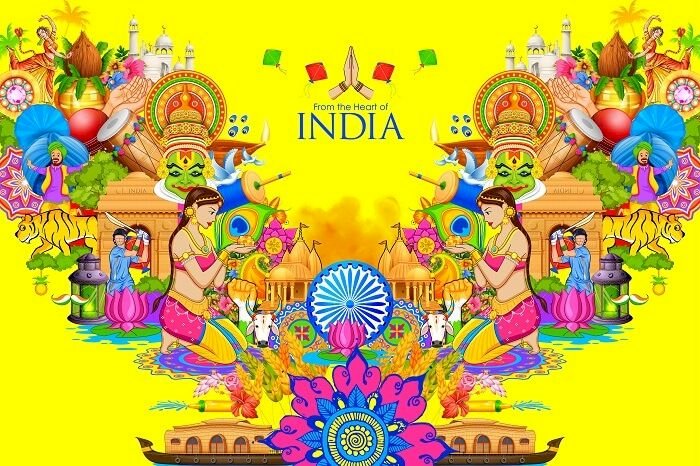
Indian culture and traditions are unique and appreciated by people all over the world. The culture and heritage of India are very diverse and unique. Several customs and traditions are observed in different parts of India. Most of the old traditions in India have originated from ancient Indian scriptures and manuscripts, which have been preserved for thousands of years.
Occupying a considerable portion of South Asia, India is a country with one of the most diverse populations, representing a government of the constitutional republic. Since the ages of the Indus Valley civilization, India had been a fairly politically and culturally self-contained territory. It was not until the British set their colony in the land that a Western and foreign culture massively impacted and influenced the country. The beauty of Indian culture is derived from its rich history. Let’s explore what makes the culture of India so unique worldwide: -
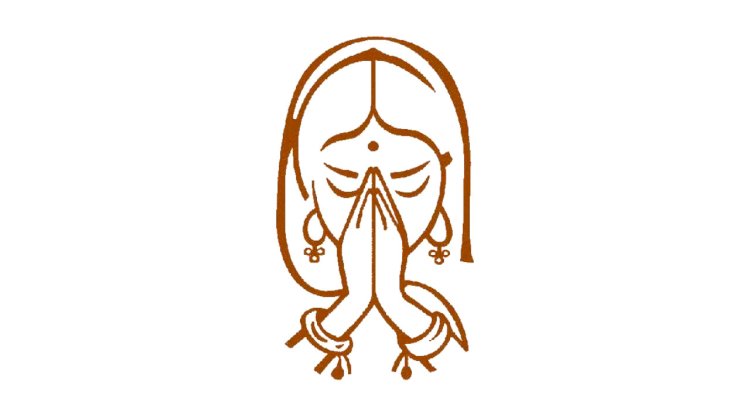
Namaste: - The traditional Indian custom of greeting people is with a Namaste, folded hands. This tradition is accepted all over the world. The Namaskar or Namaste is one of the five forms of traditional greetings mentioned in the Hindu scriptures and the Vedas. It means “I bow to you”. Folded palms are placed before the chest when a person does namaste to the other person.
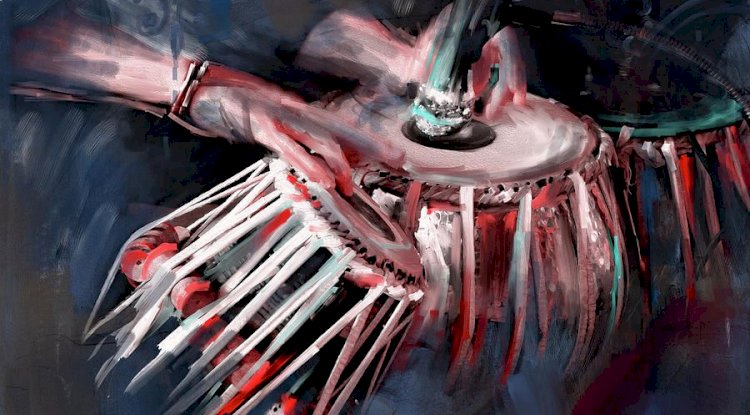
Indian Music: - The major traditions of Indian classical music are the North Indian classical music called Hindustani, the South Indian and Sri Lankan expression Carnatic and the East Indian expression called Odissi. Classical music, based on ‘raga’ and ‘taal’, dates back to the Vedic scriptures where chants developed a system of musical notes and rhythmic cycles. Today, Indian classical music is taught in several institutions, and it is a prerequisite to learn under the expertise of a skilled teacher, incorporating observation, listening, and memorising skills. Indian dance and theatre traditions have prevailed for years. The major Indian traditional dance forms include Bharata Natyam, Kathak, Odissi, Manipuri, Kuchipudi, and Kathakali. Drawing on themes from mythology and literature, the dance forms showcase unique presentations of postures, gestures and movements and are traditionally performed to the melody of classical music.
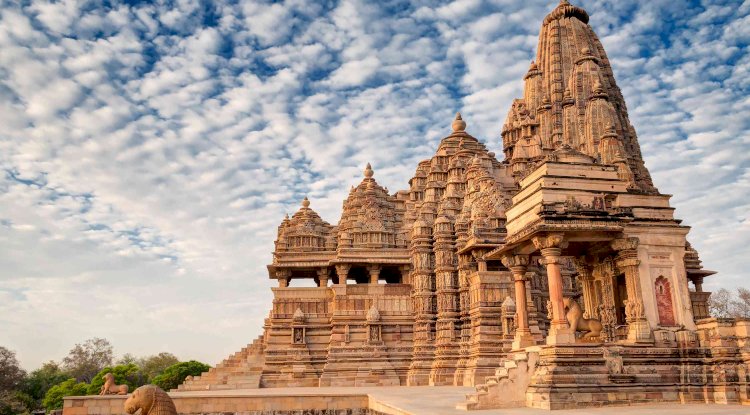
Indian Temples: - You would find several temples in India that are situated along magnetic wave lines of the earth. A copper plate is buried under the main idols so that the positive energy gets maximized in that area. It is believed that the idol absorbs and resonates positive energy. When a person visits the temple quite often with a positive mind, he experiences peace in mind and soul. People remove their footwear before entering the temples as they believe it is a sacred place of worship.
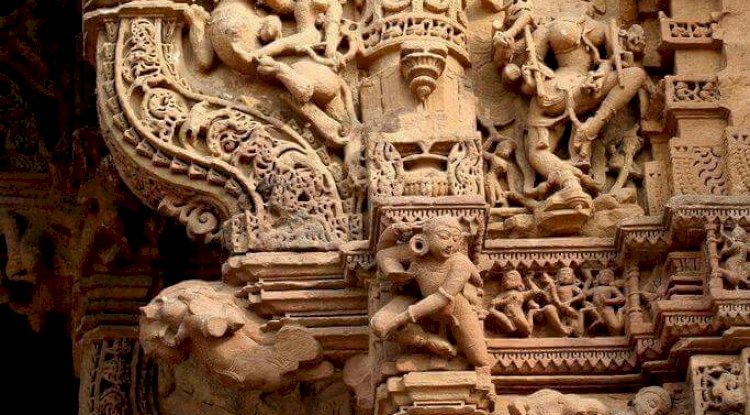
Art and Architecture of India: - Prehistoric rock art in India is an early art form based on carvings, engravings or drawing on cave rocks. The oldest examples are the Bhimbetka petroglyphs found in central India and believed to be at least 290,000 years old. Buddhism originated in India at some point in the 6th century BCE and gave rise to the sculpting of stone and bronze pieces of religious themes. The Ajanta and Ellora caves host magnificent examples of Indian cave paintings and sculptures, which are treasured Indian heritage sites that upheld the grandeur of Indian culture.
The creation of art flourished under the sponsorship of the Islamic rulers of the Mughal Empire, established in the 16th century. This era saw the birth of the awe-inspiring Taj Mahal. During colonial rule in India, the British established art schools that promoted European styles, while back in Europe there rose in demand for Indian artefacts. The western and eastern traditions, therefore, influenced each other and developed a romanticised Indian style of merged practices. Since independence, Indian artists have searched for new styles and techniques to further their experiments with contemporary art movements. However, the dependence and inspiration of historic and ancient practices are still prevalent.
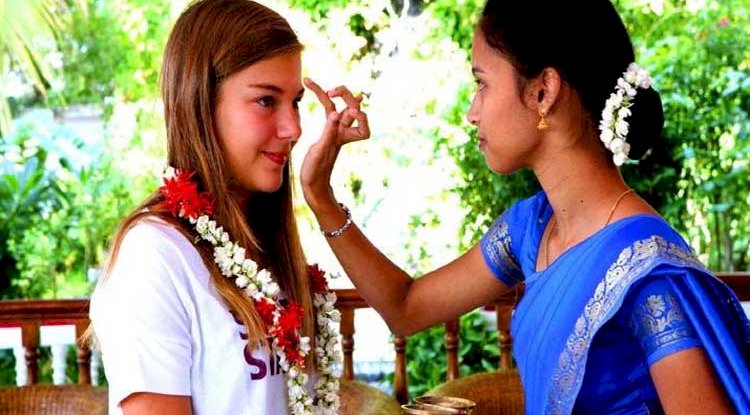
Atithi Devo Bhavah: - Atithi Devo Bhavah means a guest is equal to God. Hindus consider guests as Gods and provide exceptional hospitality to them. Even the Sanskrit scriptures mentioned the guests to be the supreme power in India.
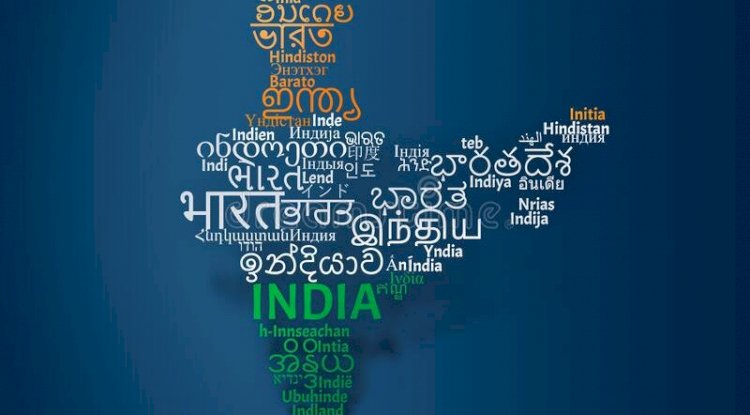
Languages in India: - India, a land of 28 states and seven union territories, does not have one official language. In a survey conducted by the Times of India, results showed that almost 60 per cent of the citizens speak a language which is not Hindi. As recorded in the 2011 language census, there are 121 languages which are spoken by 10,000 people or more in India.
The 121 languages are presented in two parts: the 22 languages which are a part of the Eighth Schedule of the Indian Constitution, and the languages not included in the Eighth Schedule. The latter comprises 99 languages plus the category total of ‘other languages’, which encompasses all those languages that returned less than 10,000 speakers each at the all-India level. The Eighth Schedule of the Constitution includes languages like Assamese, Bengali, Gujarati, Hindi, Punjabi, Sanskrit, Tamil, Urdu, Maithili and Dogri, to name a few. According to the latest 2011 census, more than 19,500 languages or dialects are spoken in the whole of India as their mother tongue.
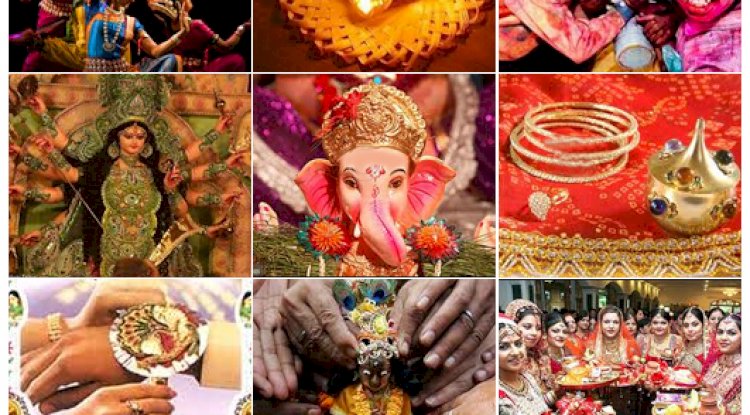
Festivals: -No matter at which time of the year you visit India, you would find people in some of the other parts of the country enjoying festivals. There are several festivities celebrated in different states of India. Right from the harvesting of crops, the festival season begins and ends with Christmas.
Festivals of India bring together the people in a harmony of celebration, often regardless of religion, like during the Ganpati Utsav in Maharashtra or the Durga Puja in West Bengal. Diwali is a brilliant festival of lights and sounds, with firecrackers livening up the night sky. Harvest festivals are celebrated all over, like Pongal of Tamil, Lohri of Sikhs and Poush Sankranti of Bengalis. While the Dussehra and Navratri are embraced with grandeur, the ones like Holi and Raksha Bandhan primarily aim at bringing together people with warmth.
It is not easy to define the culture of India in one compartmentalised endeavour. Every ethnicity and religion that the land harbours have its unique nuances and rich heritage. It is a land where multiculturalism is a significant socio-political aspect, one which, if not allowed to persist, will result in severe deterioration of the lives of an important part of the population.
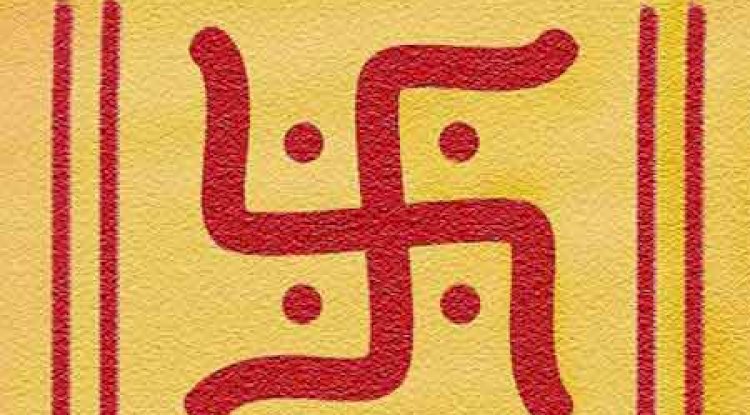
Indian Symbols: - Indian traditions and scriptures have different signs and symbols, and they have different meanings. Different symbols mean different things. The Indian Swastika is believed to be a symbol of Lord Ganesha, who removes obstacles. The arm on the swastika symbolizes the four Vedas.
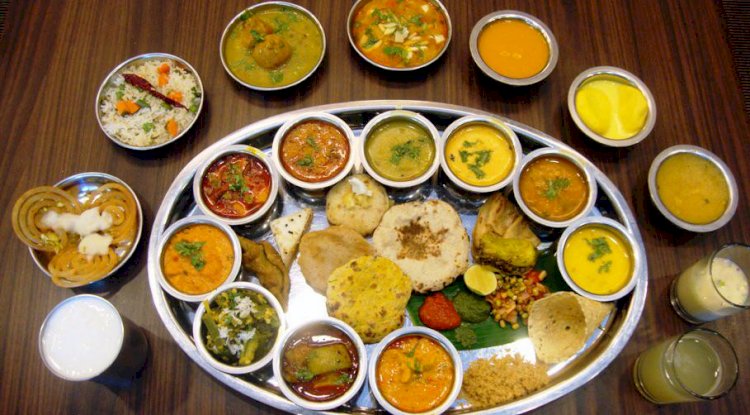
Food Culture in India: - Just like how diverse and enriching the country is in its culture, so is its cornucopia of various types of cuisines, comprising recipes prepared usually from indigenously grown spices, herbs, vegetables, fruits and grains. Indian food is influenced by occupation, like the seafood dishes of the fishing community of Maharashtra, religion, like the rich preparations of meat and biryani influenced by the Islamic rule, ethnicity, and the varying sweet dishes of the Bengalis festivals and regional specialities.
Wheat, rice and pulses are staples of the Indian diet. The gastronomical variety is rich in different types of Indian spices, including coriander, cardamom, turmeric, and cinnamon. The condiment of ‘chutney’, prepared from fruits, vegetables, herbs and nuts is quite popular in Indian cooking. While a considerable amount of the population is vegetarian, relying mostly on ‘paneer’ and grains, meat preparations of lamb and chicken are common as main dishes for the non-vegetarians.
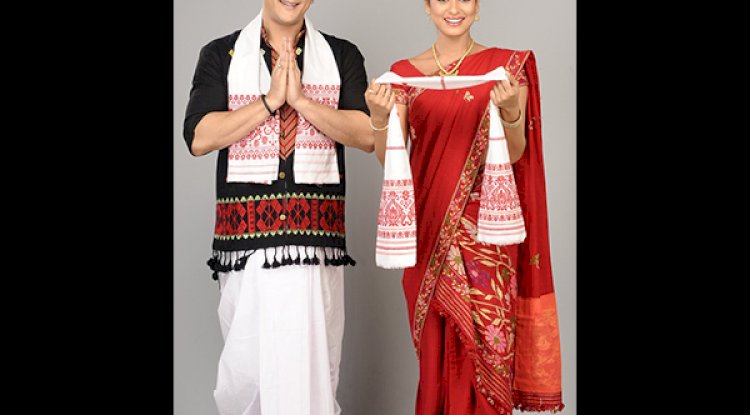
Ethnic Wear: - Most parts of India have the trend of Indian dressing. You would see women wearing sarees and men wearing kurta pyjamas as it is a Hindu tradition. People wear ethnic dresses at ceremonies and festival times. India has thousands of traditions and this makes people from other countries curious about learning about Indian culture. The Indians carry their rich heritage and traditions for ages. The culture and traditions are passed on from one generation to another.
Traditional Indian clothing encompasses various types of drapery that are woven from silk, cotton or wool. Each ethnicity has a unique style of draping. Salwar Kameez and Kurti are taking over the modern lifestyle. Depending on the customs, they might also team up with jackets and caps. For winter, there are exquisite shawls, like the ones from Assam, that portray the unique embroidery and style of their specific areas of origin. Ritualistic and cultural performers don elaborately designed costumes that pertain to their ethnic traditions.
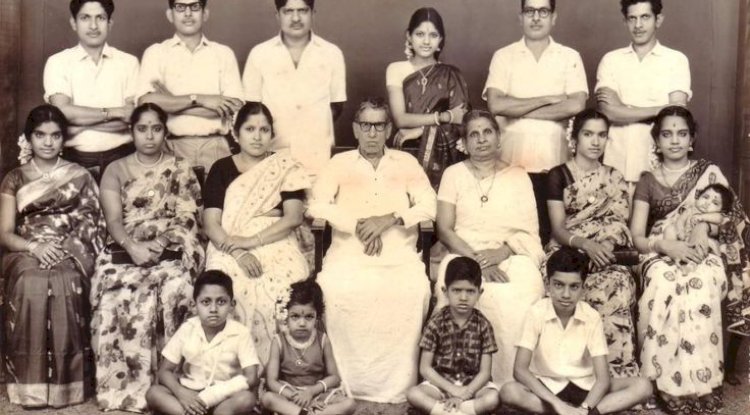
Joint and large families: - We still see a culture of joint families in India where people of all the generations of a family live together under one roof. Parents, children, grandparents, and relatives stay with each other and share their joy and sadness in their day-to-day lives.
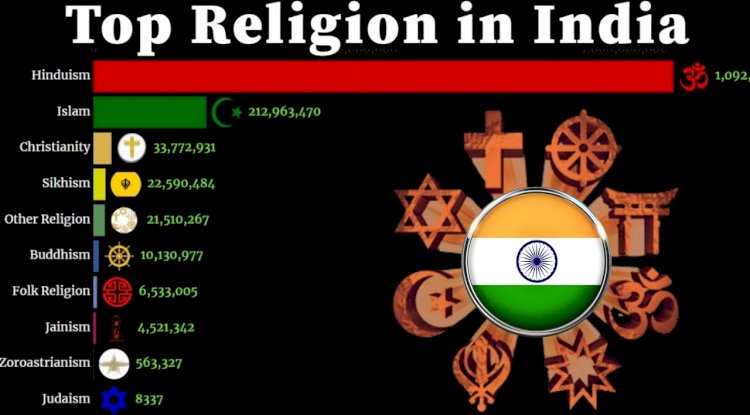
Religion in India: - India is characterized by a massive population of people who belong to a diverse list of religions. Identified as the birthplace of Hinduism, Buddhism, Jainism and Sikhism, India is home to a varying number of religious communities, many of which are minorities, including Muslims, Christians, Judaists, etc. India includes not only the vast majority of the world’s Hindus but also the second-largest group of Muslims within a single country.
The largest democracy in the world, India is religiously pluralistic and multiethnic, and the Constitution provides for the security, free expression and equal human rights of the minorities. However, in the past decade, the country has experienced very high levels of social hostilities and brutalities that have germinated from religious issues.
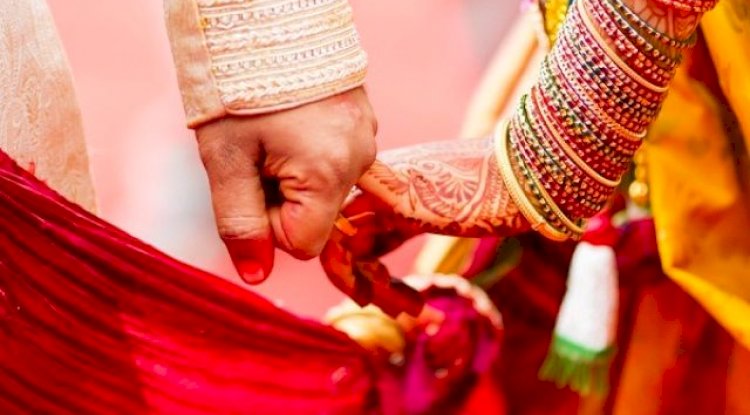
Wedding Rituals: - Weddings in India vary according to the region, the religion, the community and the personal preferences of the bride and groom. They are festive occasions in India, and in most cases celebrated with extensive decorations, colours, dresses, music, dance, costumes and rituals that depend on the community, region and religion of the bride and the groom, as well as their preferences. India celebrates about 10 million weddings per year, of which about 80% are Hindu weddings.
While there are many festival-related rituals in Hinduism, vivaah (wedding) is the most extensive personal ritual an adult Hindu undertakes in his or her life. Typical Hindu families spend significant effort and financial resources to prepare and celebrate weddings. The rituals and processes of a Hindu wedding vary depending on the region of India, local adaptations, resources of the family and preferences of the bride and the groom. Nevertheless, there are a few key rituals common in Hindu weddings – Kanyadaan, Panigrahana, and Saptapadi; these are respectively, gifting away of daughter by the father, voluntarily holding a hand near the fire to signify impending union, and taking seven steps before the fire with each step including a set of mutual vows. After the seventh step and vows of Saptapadi, the couple is legally husband and wife. Jain and Buddhist weddings in India, share many themes but are centred around their respective religious ideas and texts.
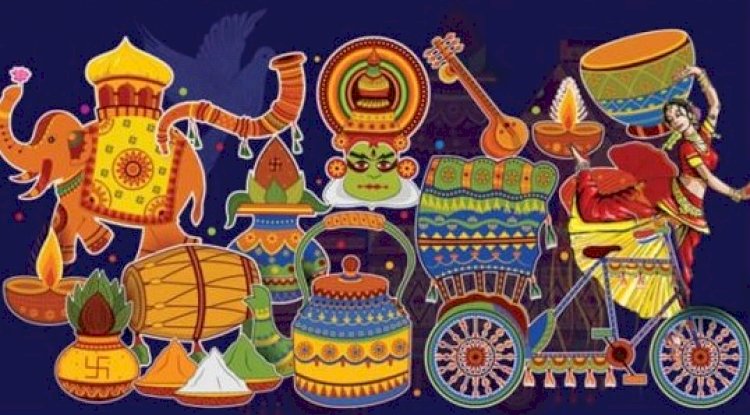
Indian culture and traditions are something which has now become renowned all across the world. We all refer to the customs and traditions of India as something very diverse and unique. But seldom do we give a thought to why things are done in certain specific ways. Indian culture is full of several unique customs and traditions, which outsiders might find intriguing. There exist thousands of traditions and cultures in India, and quite a few of them would leave outsiders rather curious. But the crux of Indian society and culture has always been to be well-mannered, polite, respect others, and progress together.
What's Your Reaction?