Why India is the most polluted country?
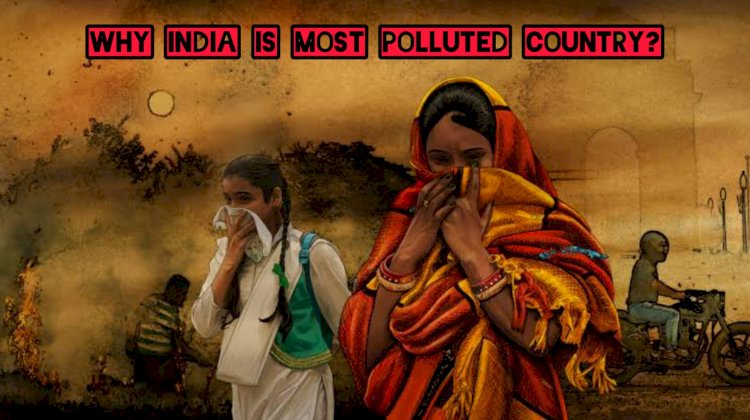
Pollution is a global issue, but in most nations, cleanliness is seen everywhere; what's the issue with India? India is extremely polluted, why? What are the reasons for India's pollution? We live in a developing nation that is reaching milestones, so why do we keep our homes clean but the streets and environment filthy?
Did you know that India comes in third on the index of pollution? According to a story in the Times of India, the Swachh Bharat Abhiyan, a campaign to promote sanitation, and the Swachh Bharat Abhiyan programme were both established by the Indian government under the leadership of Narendra Modi. The air is still polluted for several other reasons.
- Accusing others:
A fatal over-tiff garbage disposal incident occurred in 2019, demonstrating the major issues with egoism and frustration. In India, on the other hand, accusing others of it is what creates the majority of pollution. Everyone is too busy blaming others for the conditions, so no one needs to admit that they did it. We must realise that, if this doesn't work out, we must take action, leave, and address the current predicament.
2. Not obeying rules:
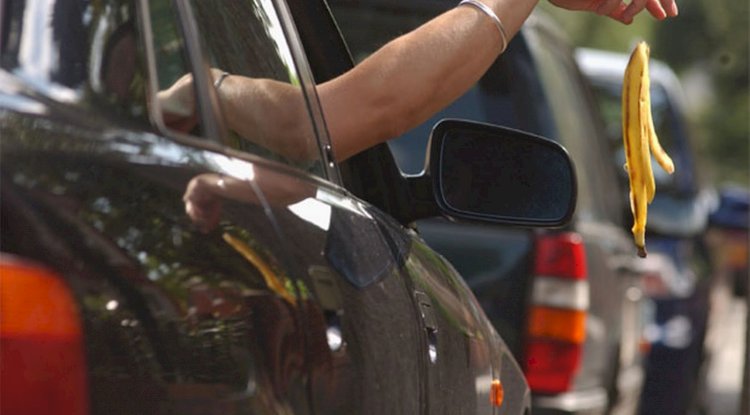
Forget about the ignorant, common people of India; there are many highly regarded, educated individuals, even government employees, who hardly adhere to these regulations. Kiran Bed, the governor of Puducherry, discovered the office of the power department to be polluted while visiting it, as well as several other government buildings. This raised concerns that even the fundamental foundations from which cleaning initiatives are conducted are disgusting. We have trash cans beside the municipal corporations on the parkways, but we don't want to follow the regulations, thus the waste is still spread out over the road. If cleaning a dump of trash from bins is a regulation, then we must abide by it. We ought to abide by it and refrain from littering.

3. Not debating the problem:
When we work together more, we can fix any issue; the issue is that we don't discuss it. The current state of the nation cannot be changed, but what about your neighbourhood? Why not start with your neighbourhood and assemble to discuss the issue? You'll see that everyone comes up with a clever solution in this way, and you can fix the pollution problem.
4. Not paying attention to the problem:
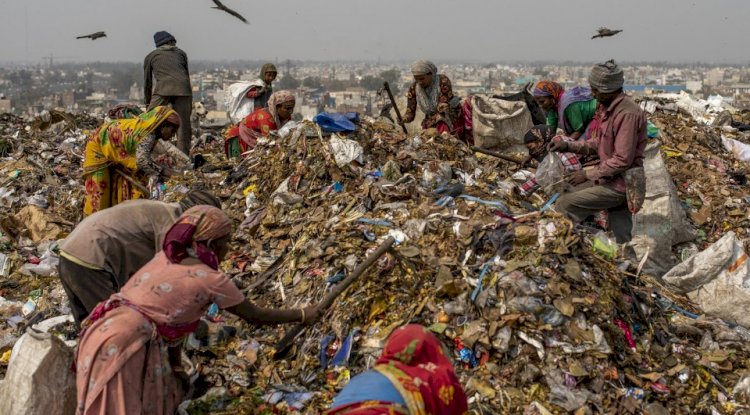
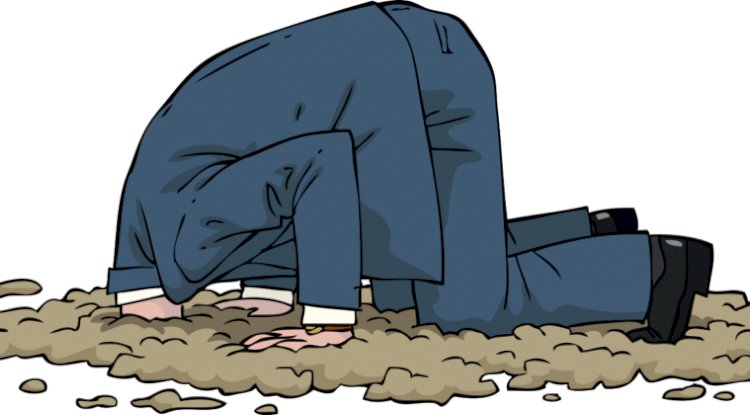
We frequently see a heap of crap next to our offices, places of employment, parks, and even homes. The reason Indian cities are so dirty is that we are so preoccupied with living our lives that we fail to see the sad truth of ruining our motherland. Do we need to identify the root cause? What can I do on my own to resolve this issue? Everything will change the day you stop ignoring these issues; you'll start acting, and others will follow.
5. No strict laws by the government:
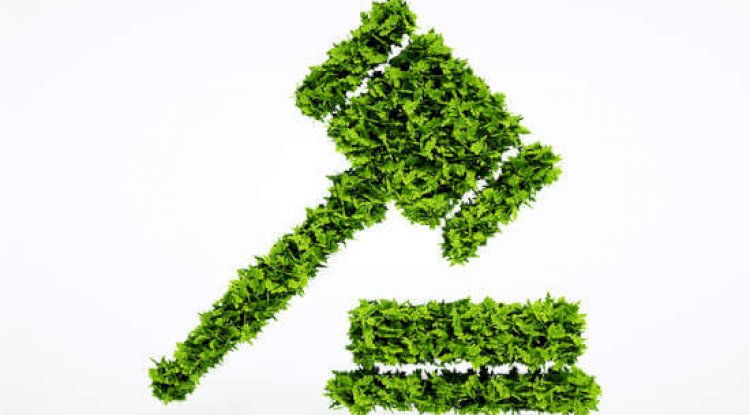
India is a democratic country, so we are free to express our opinions and behave as we like, but this does not mean that we are also allowed to degrade social standards and destroy the environment. The government must enact restrictive laws and impose severe fines for failing to think ten times before slinging something in public.
6. Using plastic bags:
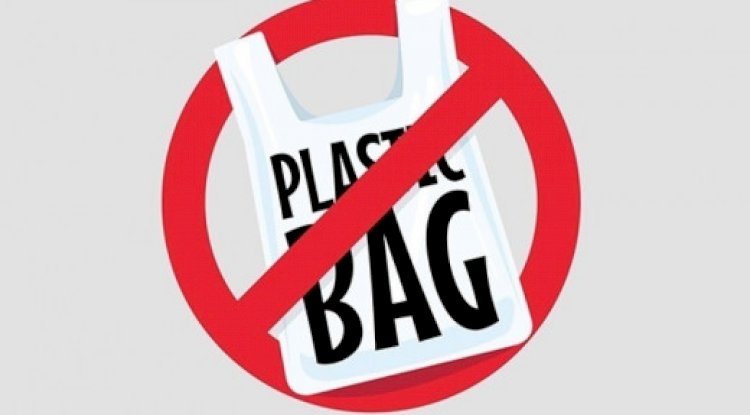
India uses a lot of plastic or polythene bags, however since they can't be reused, people discard them in public areas. We have two options: either we can limit the demand for plastic and cease using it, or we can use paper bags, jute bags, or cloth bags instead, which are more beneficial to the environment. Since they are far more resilient and recyclable, we can reduce our reliance on plastic and, eventually, stop its production, preventing the production of plastic garbage.
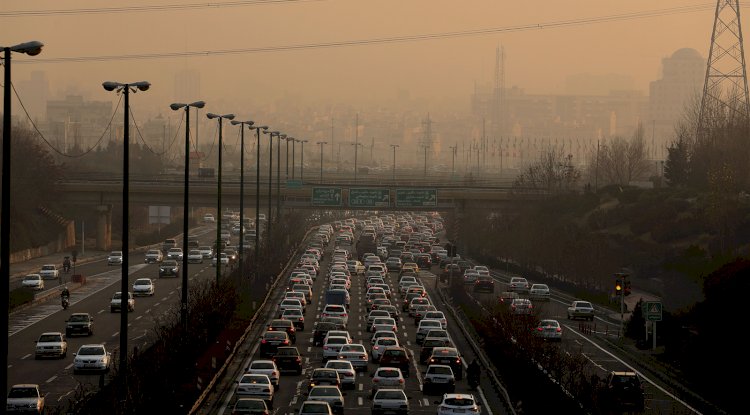
7. Emissions from vehicles:
Nowadays, everyone owns one or more vehicles; for some, it is a necessity, for others, it is a pleasure. Even yet, the main source of pollution in India is smoke from automobile exhaust, thus using public transportation at least once a week would be the greatest way to have a little environmental impact.
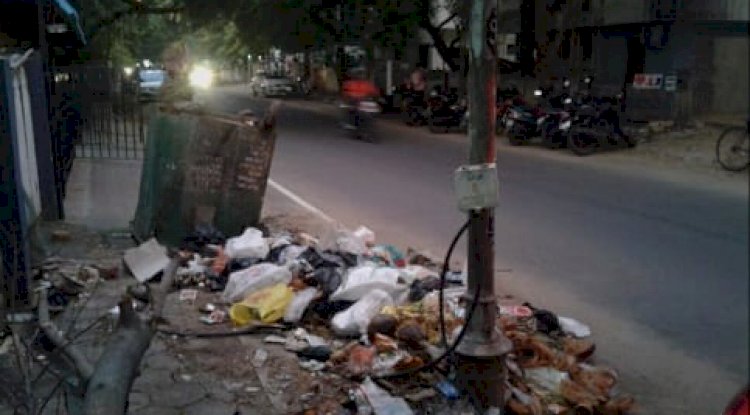
8. Inappropriate disposal of waste:
One of the factors contributing to pollution in India is improper waste disposal. In addition to dumping harmful marine life into rivers, companies also discharge fertilisers from fields that endanger marine life.
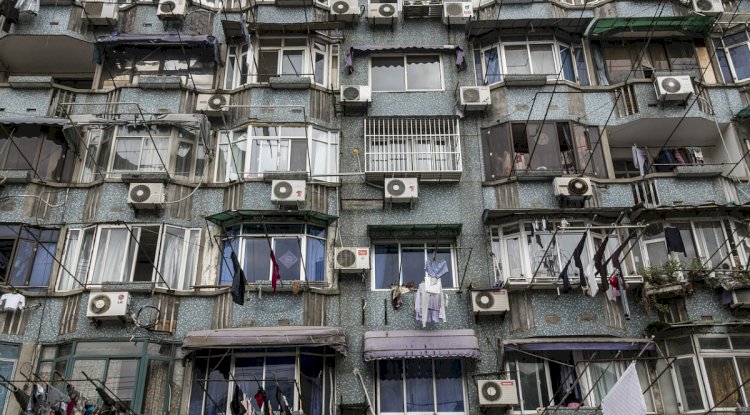
9. Uses of air conditioner and refrigerator:
In the summer, we all appreciate cold drinks and ice cream, and today, almost everyone possesses a refrigerator. Some people also have air conditioners in their homes. These gadgets, despite appearing to be useful to us, are bad for the environment. By eliminating these items, conserving energy, and planting more trees, we can reduce greenhouse gas emissions, ozone depletion, and global warming.

The Prime Minister did well in convincing people of the importance of maintaining a clean environment. While people must not litter and dispose of their waste in designated, convenient locations, it is the responsibility of the relevant tier of government to remove the waste from these locations for disposal. Although it is believed that people won't urinate wherever the state is in charge of ensuring cleanliness. It is admirable to build restrooms in public spaces and institutions and encourage people to use them, but it is the state's responsibility to maintain their functionality and cleanliness. You can tell that the government is not functioning by the state of the majority of public restrooms, even those in the Central Secretariat. The prime minister ought to concentrate on the reasons why the government falters to deliver services in India. Only then can he make a Swachh Bharat. A clean India will automatically generate an additional 1-2% GDP growth and we can truthfully account for Public Administration as Services for national income accounting.
So now is the time to spread knowledge, take action against pollution, and safeguard our motherland. When the issue is right in front of us, we must stop behaving blind and begin to address it. Is now the ideal time for us to comprehend the effects of our choices in the years to come? What kind of life will we provide for coming generations? Now we must choose whether to provide them with a safe, clean, and fresh atmosphere. is one poisonous, dangerous, and littered with diseases?
What's Your Reaction?