Will the future of fashion can collaborate with nature?
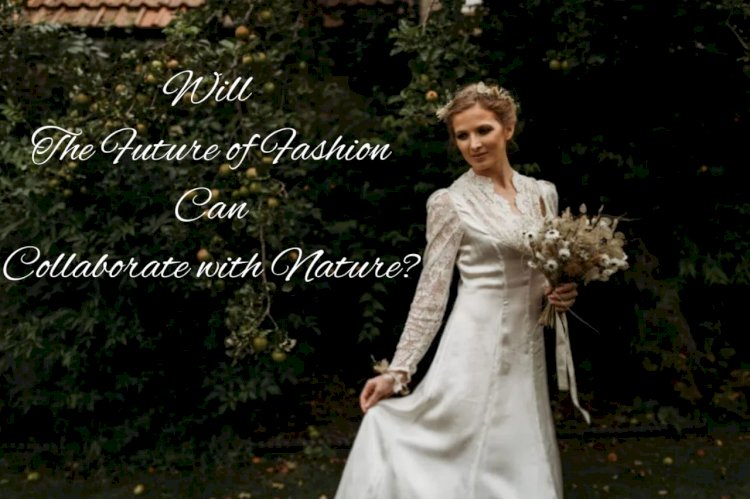
A Dutch fashion mark needs to accommodate fashion plan and biology and flip around the design interaction - in addition to other things with the assistance of a living coffin by Bob Hendrikx. How could that function? Peruse on to find out.
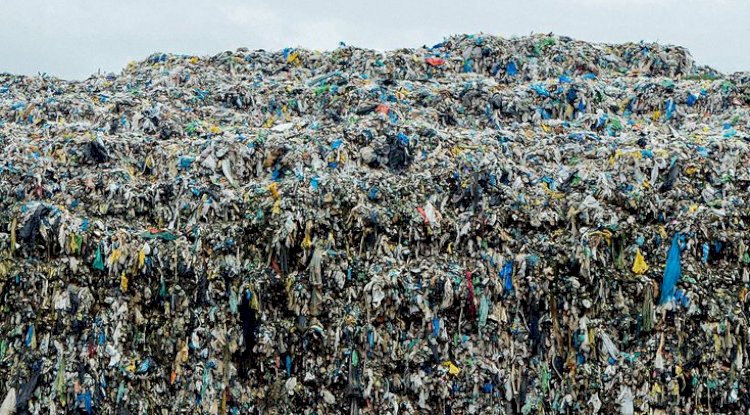
The future of fashion is…digital and collaborative - as indicated by ongoing London College of Fashion graduates Diana Canghizer and Ashwini Deshpande. Not all clothes are something very similar. The choices that designers make about the texture decide, in addition to other things, the existing pattern of the item. It is positively not the goal of style originators to have their designs end up in a landfill. Notwithstanding, actually this. Since an excessive amount of material waste winds up in that general area, requiring many years, on the off chance that not hundreds of years, to separate. Places like the recycled market in Accra, Ghana, as well as the unlawful unloading locales in the Atacama Desert in Chile are confirmation of this.
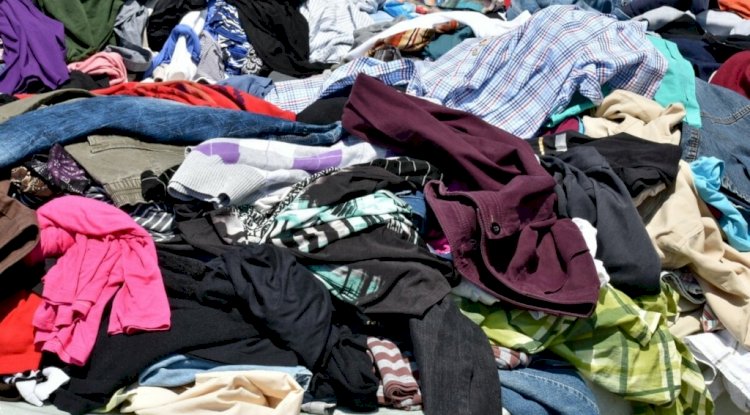
Not all articles of clothing are made equivalent. The decisions a designer makes with regards to the fabric, in addition to other things, decide the item's lifecycle. This sort of design clashes with nature because in nature squander can't exist. This is a discouraging reality for some designers, yet this ought to be an encouragement to reevaluate the design cycle. Imagine a scenario where we turn the tables and start with the last objective the item will wind up.
This kind of design conflicts with nature since squander in nature can't exist. For the vast majority of fashion designers, this is an overwhelming reality, however, it ought to be taken as an encouragement to reevaluate the design interaction. Could we invert the interaction and begin with the destination where the item will eventually wind up?
Fight Against Climate Change
Clothing ends up in landfills, which in turn are sources of greenhouse gas emissions. Producing more goods without a clear vision of their end of life will not do the environment any good. Also, to quote the Changing Markets Foundation, the fashion industry is ‘addicted to fossil fuels, as the organization put it in its report entitled ‘Synthetics Anonymous’. If we as an industry want to reduce or at least not increase greenhouse gas emissions, the only way we can do that is by changing the status quo. Design approaches like upcycling are on the rise, but here’s why they’re not the panacea to the rise in greenhouse gases.

Rethink the design process
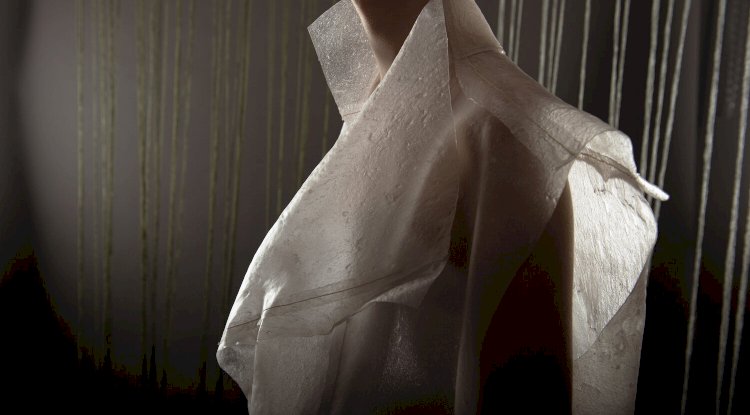
The reason I mentioned Hendrikx’s living coffin, in the beginning, is that the process always starts with the materials. This particular product is made from mycelium, the root structure of fungi, which can grow in a variety of shapes and densities. It seems obvious that the only way forward is through change, and this is an example of how that change could be shaped. While traditional design processes start from the aesthetic vision of the designer, the true future of design could begin with materials. This shift in thinking opens up possibilities – such as a new approach called Biodesign. The author of the book of the same name, William Myers, explains the Biodesign approach as follows: “Go to nature and try to incorporate biology into the design processes and the finished product.”

The shift from conflict to collaboration
Rather than designing the product to end up in landfills and conflict with nature, it’s time to partner with nature. Designing in collaboration with nature requires an understanding of living things such as bacteria and other microorganisms. As I mentioned earlier, the design process needs to be turned on its head. Instead of starting with the design aesthetic, designers should start with the materials and understand the capabilities that make up the shapes. This is quite literally an organic rather than structured approach to her work, but one that I can only see as the future of fashion freeing itself from landfills.
How do you get started with bio-design?
Bio design comes in various structures, yet fundamentally, it begins with a comprehension of living things like microorganisms. A book that is energetically suggested is 'Bio plan' by William Myers. For style fashioners keen on getting everything rolling with Biodesign, Stanford University's Biodesign Guide is a decent asset, to begin with.
What's Your Reaction?















