How does a phone enable us to talk to people far away? (Part I)
It doesn’t matter whether you are in India or Australia or even Greenland! You can talk to anyone you want in any country as if you are face-to-face, because of the marvel called the telephone! Do you know how phones work? Let us read further…
Before the telephone was invented, it was very difficult for people to communicate with each other quickly. Then how did they contact each other? In some places, they used smoke to send signals, like Red Indians in America. In Africa, they used drums called tom-toms. In Europe and Asia, they have messengers who ran from place to place or rode on horseback carrying messages.
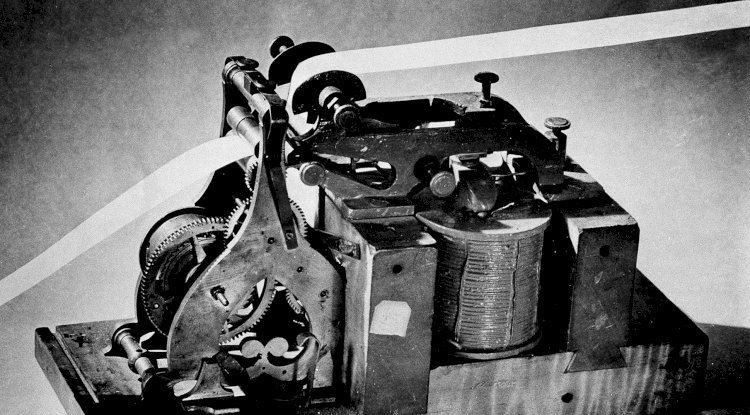
In 1835, American painter Samuel morse co-invented the morse telegraph, an electrical device that transmitted information using a code. The morse code was a combination of dots and dashes that stood for each letter of the English alphabet. For example, the letter ‘e’ was a single dot. ‘t’ was a dash and ‘a was a dot and a dash. And then 1876, alexander graham bell of the USA was awarded the patent for the first telephone. This was the world’s first telephone. With the help of an electrical; designer and mechanic called Thomas Watson; bell managed to transmit his voice.
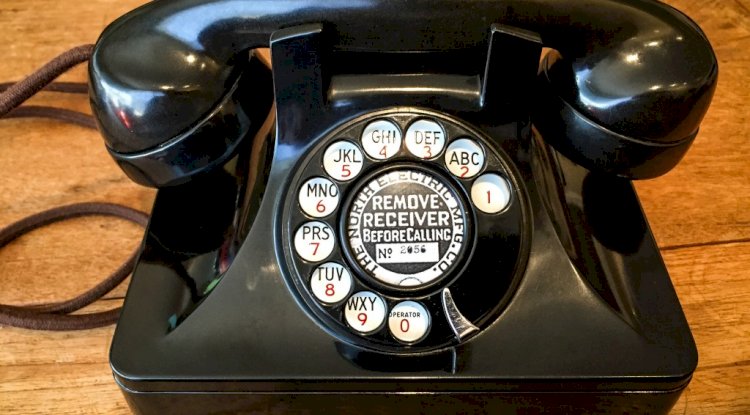
The telephone has made it possible to exchange lots of information very quickly, hasn’t it? With a telephone you can speak to a person you can’t see and who is very far away! The first telephones were rotary dial ones which were replaced by touch-pad or push-button phones. When you speak, the sound waves are converted to analogue electrical signals. After they pass through the cable, the signals are again converted at the other end into sound waves or voices! The voice of a person goes through the microphone instrument as waves which a sensor in the microphone converts to electrical signals. These signals travel to an earphone or ‘speaker’ at the other end and are converted back to sound waves. Even in tin can telephones, the sound waves pass along the string. The person at the end can then hear the voice.
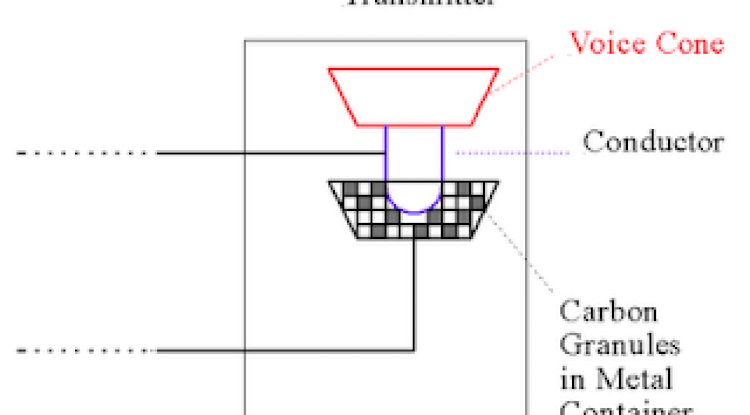
The telephone is a device that converts sound that converts sound waves (Voice) into electronic signals at one end and changes them back to sound waves at the other end. Your landline telephone is not directly connected to your friend’s telephone. The call is routed through a telephone exchange. When you speak into your telephone, the signals travel down wires to the main telephone exchange which might be located at a distance from your house. several telephones in the area are connected to the same telephone exchange. At the exchange, the signals are routed to the phone number you have called. The exchange has equipment that enables it to automatically connected people to whatever number they have dialled anywhere in the city, to other cities and even to other countries.
Telephone numbers are just like invisible postal addresses. The exchange sorts through the numbers at lightning speed and connects people instantly! In this way, a large number of telephone exchanges are connected over great distances, either by overhead cables or underground cables.
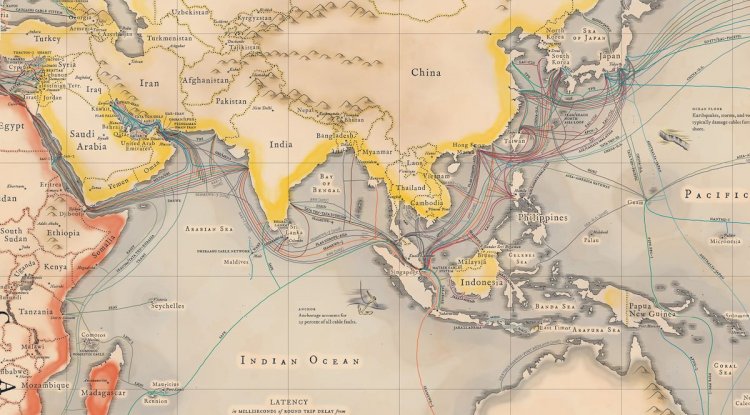
Cables snake their way under the sea to connect countries or telephone signals are exchanged via artificial satellites orbiting above earth. International calls are made in the same way. This is how telephone exchanges are linked throughout the world. Why do we need different telephone exchanges? Why can’t we just pick up the telephone and be instantly connected to anyone? When the telephone was first invented, there were very few people who owned instruments. A wire would connect only two telephones at a time so it was possible to just pick up the phone and talk to the other person without having to dial a number! But when more and more people started using this technology, a better way was needed to connect so many telephones. A common telephone ‘exchange’ was the answer! That way, many telephone lines in the same area could converge in one place and a lot of people could make and receive calls at the same time, through a switchboard. In this system, operators sat before a board and connected callers manually! The individual telephone numbers were assigned and the electronic switching system was developed. Operators were no longer needed. Without a telephone exchange, individual telephone numbers and the electronic switching mechanism, it would be impossible to make or receive calls on a landline or what is known today as the plain old telephone services (POTS)!
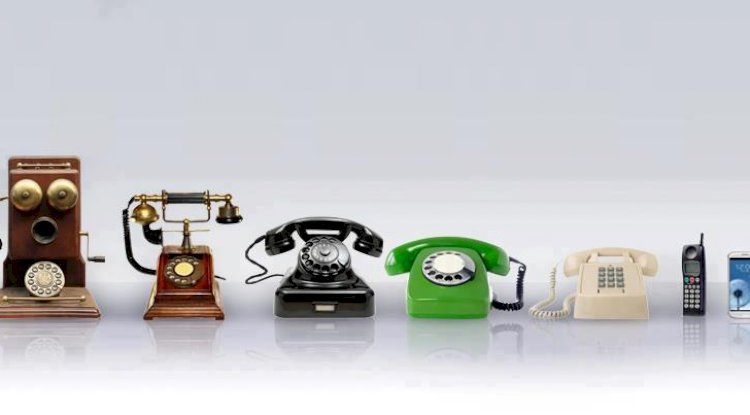
Today, the old rotary dial or pulse dialling phones have been replaced by push-button or touchpad phones which use tone dialling. The way the telephone number is sent to the exchange so that it identifies the number, differs. What is the difference between pulse dialling and tone dialling? In pulse dialling phones, each digital telephone number is counted as pulses of electricity. This is why you hear a series of clicks as the current goes off and comes on. In push-button or tone dialling, also called dual tone multi-frequency or DTMF, each digit of the telephone number is made up of a pair of musical tones of varying frequencies. The exchange identifies each pair as a number. In rotary dial or pulse dialling phones, the electrical supply or current from the telephone exchange momentarily switches off and on as each number is dialled. E.g., 8 would mean 8 pulses and so on.
It takes less time and effort to use tone dialling! The numeric keypad or touchpad is very easy on the fingers, too. Yes! Today all phones have tone dialling, but some provide both options using a switch on the base of the phone! Now did you understand how landline telephones work? Wanna know how mobile or cellular phones work next? Part II is on the way…
What's Your Reaction?