How does age define lifestyle?
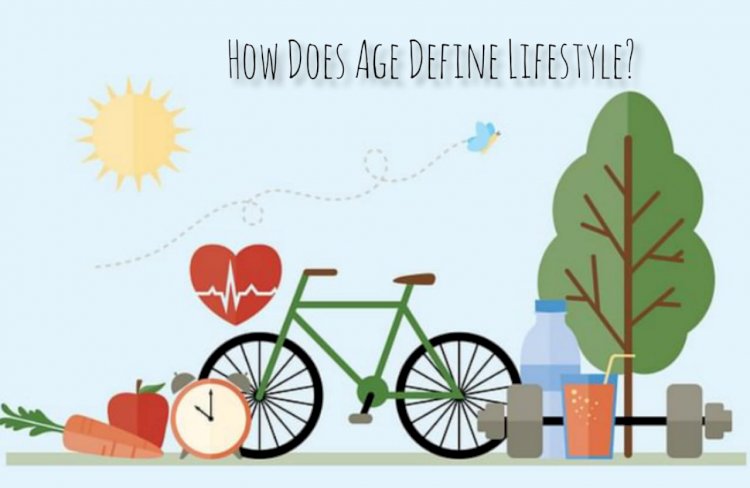
Natural age, likewise called physiological age, is a proportion of how well or ineffectively your body is working compared with your genuine calendar age. For instance, you might have a calendar age, or sequential age, of 65, but since of a healthy and dynamic way of life — for instance, by staying away from life span dangers like tobacco and obesity — your body is physiologically more like somebody with an ordered age of 55. Your natural age would, hence, be 55.
Have you heard the phrase, "it's not a diet, it's a lifestyle"? This is definitely not a post about healthy living or diets, yet rather the idea of a "lifestyle" and our lives. You can decide your natural age in more than one way; however, none is conclusive or really exact. In any case, certain health factors could give you years back on your normal future.
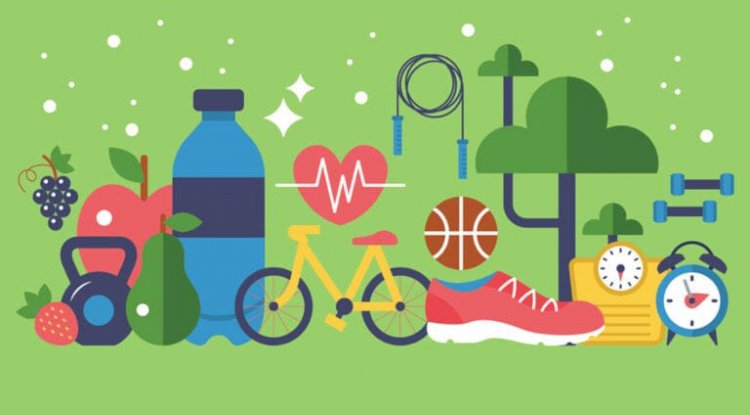
Healthy habits can have a significant impact on your longevity and biological age. These include:
- Exercise habits
- Eating habits
- Stress levels
- Alcohol consumption
- Level of education
- Amount of sleep
- Romantic relationships
- Tobacco use and exposure to other environmental toxins
Here are some reasons why age defines our lifestyles: -
Heredity
One more significant supporter of natural age doesn't have anything to do with your habits. Heredity, or your genetic supply, is likewise to some extent liable for your natural age. Similarly, as specific diseases run in families, life span does likewise.
An Adventist Health study shows that with the ideal way of life habits, for example, no tobacco or liquor use, regular exercise, vegetarianism, and viable administration of stress, individuals, by and large, have an average life of around 86 years. Anything over that proposes a hereditary part. In the event that you have relatives who have lived longer than 86 years, odds are you'll carry on with a long life as well.
Location
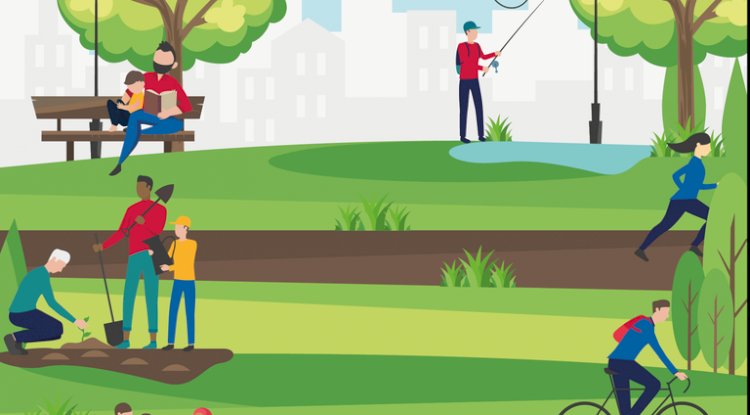
Another significant variable affecting natural age is where you reside. It's a well-known fact that the climate and culture you live in mirror your well-being propensities, yet they likewise add to your security, the food varieties you eat, and thus significantly more.
For instance, studies have shown that individuals living in dangerous areas are probably not going to go outside to work out. They're likewise less inclined to find shops selling new leafy food produce. Maybe considerably more essentially, they are probably going to encounter elevated degrees of stress.
A Word from Very well
While not an exact science, the concept of biological age can incorporate objective measures like resting heart rate, blood pressure, and visual acuity, as well as more subjective criteria like ease of performing daily tasks, muscle strength, and general mobility. Thus, knowing your biological age is the same as knowing how healthy and strong you are—and whether you are at risk for life-threatening illnesses, such as high blood pressure or diabetes.
What if your biological age is higher than your chronological age? Now is a great time to make changes that can make a positive difference. The goal is to focus on those habits that lower age expectancy and turn them into healthy habits that add to your life.
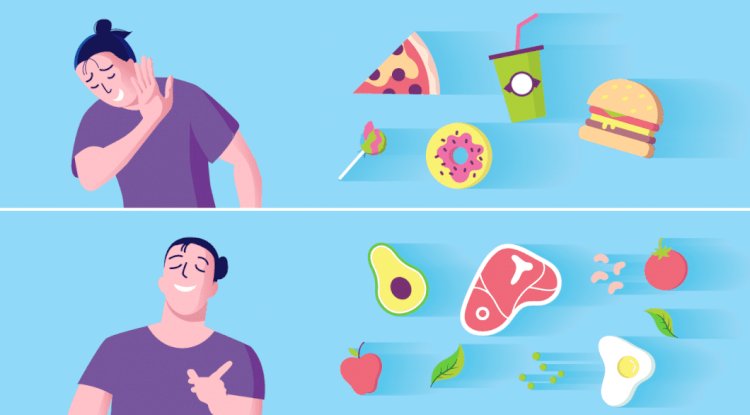
Start by addressing some of the issues you can change right away. For example:
- If you don't already abstain from tobacco, quit smoking.
- Add more fruits, vegetables, lean meats, and water to your daily diet.
- Practice good sleep hygiene by turning off screens and relaxing an hour before you turn in at night.
- Get more exercise by walking or starting a fitness program.
- Learn stress reduction and management techniques, such as meditation or deep breathing.
If you follow all or even some of these basic suggestions, you may be on your way to biologically being younger than your chronological age. A lifestyle is expressed in both the work, behaviour, leisure and social patterns we do – it’s a combination of what we repeatedly do. It affects how we see ourselves and our identity. Lifestyles combine motives, needs, wants, and feelings. Our lifestyle relates to our sense of happiness and peace. Overall, a lifestyle is about the big picture, the accumulation of small details of our daily lives.
What's Your Reaction?